Numerous changes occur in the body after a cycle ends, which can be divided into categories such as physical, psychological, and hormonal. Understanding each of these changes will allow you to counteract their effects, ultimately increasing the likelihood of a successful post-cycle therapy (PCT).
PHYSIOLOGICAL CHANGES
Now that the user no longer has that excessive amount of steroids circulating in their body, continued changes in their physique are expected. However, the athlete has a significant influence on the degree to which these changes occur. Keep in mind that when we talk about physical changes, we are primarily referring to muscle mass, which is of significant value in bodybuilding. The characteristics of muscle mass in an athlete include: size, fullness, definition, vascularity, and hardness.
When steroids are no longer in the body, we can certainly anticipate a loss in many of the traits mentioned above, but the extent of this muscle loss depends largely on the athlete. Once they leave the body, the athlete experiences:
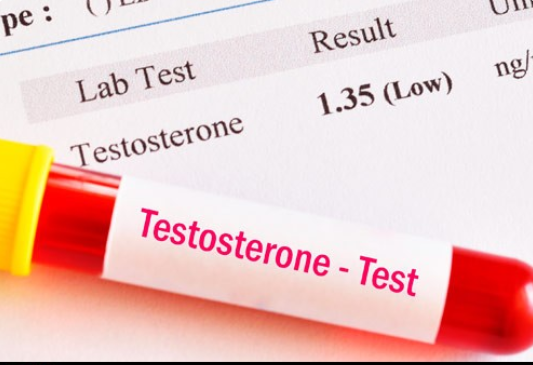
Decreased total testosterone levels.
Decreased IGF-1 levels and nitrogen retention
Decreased resistance and red blood cell count/volume
Decreased recovery rate.
Decreased androgen levels.
By eliminating these primary factors, it's quite easy to find the answer to the question: why do changes occur in muscle mass? And if we add to that the increase in adipose tissue, better known as fat, it becomes a valuable challenge to maintain minimal body fat percentages at the end of a cycle. For many, this means being able to return to that physique or maintain an attractive, aesthetically pleasing shape.
Gaining fat when cycling occurs even in professional athletes, and although one of the reasons is the factors mentioned above, we underestimate a key reason in athletes, which is the “mindset"” What's on your mind?
PSYCHOLOGICAL CHANGES.
If you're unfamiliar with what to incorporate after your cycle, I encourage you to read on. This is the perfect post-cycle therapy (PCT), designed to be used after each cycle to achieve near-complete recovery after most cycles.
In general, a post-cycle therapy (PCT) will consist of one or more SERMs (selective estrogen receptor modulators), whose main function is to get the body to produce testosterone again on its own. Two of the most commonly used SERMs are Clomid and Nolvadex, which do a great job of stimulating the body to produce testosterone. However, they also come with some side effects, such as mood swings. Interestingly, this doesn't happen to everyone. Therefore, knowing this in advance and having the right mindset can really be a deciding factor in the percentage of gains you retain. Knowledge is always power!
When we refer to the term "mindset," what we really mean is, for example, that many users will have the mindset, upon finishing a cycle, of "Well, now that I'm off the cycle, I'll get lazy." This type of thinking is often the reason why men never quit a cycle, and we know that this can lead to serious health risks. We know that the body doesn't have one or more compounds that produce that feeling of "activation," but if you let this mindset take hold, all you'll have to do is sit back, wait, give up, and fail.
This is only the first part of the psychological adaptation the athlete must accept; however, it doesn't guarantee the amount or level of gains that will be maintained. Therefore, this loss of momentum is natural and is biologically reflected in the hypothalamic-pituitary-testicular axis during a period of inactivity. Fortunately, a proper post-cycle therapy (PCT) will reactivate this axis and restore its natural function, improving recovery.
HORMONAL CHANGES
Hormonal changes are related to the two previous categories, as almost everything is connected to hormonal stability during a successful post-cycle therapy (PCT). Our main goals in PCT are to maximize the gains achieved, reach homeostasis, achieve internal balance, and prepare your body with new receptors for the next cycle.
We know that after a cycle, the Hypothalamic-Pituitary-Testicular Axis becomes inactive, and there's a decrease in many anabolic activities your body needs for muscle building. This is especially true for total testosterone levels; remember, this alpha hormone provides that great feeling of well-being and increased gains. Similarly, in our post-cycle therapy, we want to target key hormones to generate that psychological and physical confidence. Nolvadex and Clomid are responsible for this task, specifically targeting the hormones cortisol, dopamine, and estrogen.
Cortisol
Cortisol is a hormone released by the adrenal gland in response to stress. It's known to be catabolic, meaning it triggers a breakdown process in muscle tissue. Unfortunately, cortisol levels rise when coming off a cycle, negatively impacting both testosterone and growth hormone levels. Furthermore, high cortisol levels are also linked to increased abdominal fat. This is extremely relevant because with all the changes happening, you don't want to add another problem. That's why there is a correlation between steroids and depression. However, the individual has great control over this hormone if they choose to do it correctly.
Dopamine
Regarding dopamine, it's a neurotransmitter with numerous brain functions, best known for its positive reinforcement effects. The release of dopamine provides a strong sense of accomplishment and well-being. Studies have shown that androgenic compounds (such as steroids) can significantly increase dopamine levels in our bodies. It's clear that dopamine levels can also decrease significantly if left unchecked. Therefore, allowing these hormones to drop can trigger a vicious cycle of stress, depression, and other even more serious side effects.
Estrogen
Last but not least is the most treacherous hormone for men: estrogen. This particular hormone is quite unique because it has both negative and positive impacts on men. Therefore, we want to keep estrogen within a specific range, just as we do during the cycle. If it was properly controlled during the cycle, it shouldn't be a concern post-cycle.
Furthermore, Nolvadex blocks estrogen from entering the hypothalamus and binding to its receptors. It's important to remember that the goal here is not to completely eliminate estrogen from the body, but to maintain it within a normal, healthy range.
HOW TO MINIMIZE THESE CHANGES AND EFFECTS AFTER THE CYCLE?
The use of anabolic-androgenic steroids (AAS) carries risks and potential side effects. While I am not a doctor and I recommend that you consult with a healthcare professional before making any decisions about steroid use, I can offer some general guidelines to minimize side effects during a steroid cycle and its aftereffects:
Consult a healthcare professional: Before starting any steroid cycle, it's crucial to speak with a doctor or sports medicine specialist. A healthcare professional can assess your overall health and determine if steroids are safe for you.
Choose steroids with caution: Not all steroids have the same side effects. Some are milder than others. Work with a professional to select steroids that align with your goals and minimize associated risks.
Appropriate dosage: Avoid steroid abuse. Use the minimum effective dose to achieve your goals. Excessive use can increase the likelihood of side effects.
Regular monitoring: Get regular blood tests and medical screenings to monitor your hormone levels and overall health. This will allow you to identify potential problems before they become serious.
Cycles and rest: Limit the duration of your steroid cycles and make sure you have adequate rest periods between them. This can help reduce stress on your body and decrease the risk of long-term side effects.
Protect your liver: Many oral steroids can be hepatotoxic. Consider using liver protectants and avoid excessive alcohol consumption during your cycle.
Control your blood pressure: Some steroids can affect blood pressure. Monitor your blood pressure regularly and take steps to keep it within a healthy range.
PCT (Post Cycle Therapy): After a steroid cycle, it's essential to undergo post-cycle therapy to help restore your natural hormone levels. This may include the use of medications such as clomiphene and tamoxifen.
Take care of your diet and training: A balanced diet and a well-structured training program can help minimize some of the side effects associated with steroids.
Educate yourself: Learn about the potential side effects of steroids and how to manage them. Information is key to making informed decisions about your health.
Remember that anabolic steroids can have serious health consequences and their use should be supervised by a healthcare professional. Don't make decisions on your own and seek medical guidance before embarking on any steroid cycle.
Gorillas, orangutans, bonobos, and chimpanzees are fascinating creatures, not only because of their close genetic relationship to humans, but also because of their impressive strength,...
by bounesclow135Comments Off on No comas como un GORILA




 01Jul
01Jul
 by
by