

 10Sea
10Sea
Blog
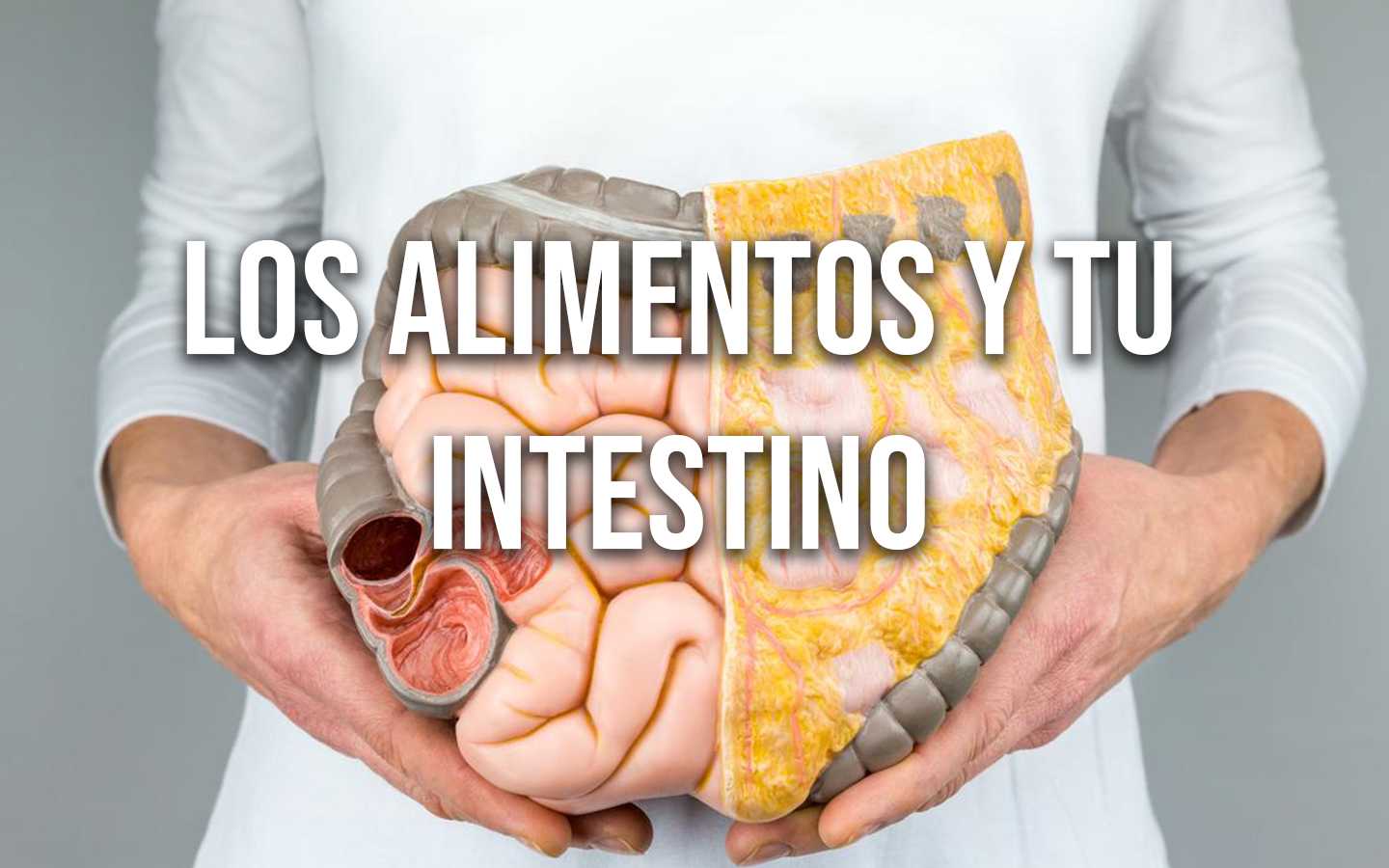
Food and your gut.
Have you ever wondered which foods affect your gut? Here we explain the importance of our diet and the functions our gut performs...
Gorillas, orangutans, bonobos, and chimpanzees are fascinating creatures, not only because of their close genetic relationship to humans, but also because of their impressive strength, agility, and dexterity. These similarities have led some to argue in favor of a vegan diet based on the idea that if these primates can thrive on a plant-based diet, why shouldn't we? However, the answer to this question lies in the fundamental physiological differences between humans and great apes.
Despite sharing approximately 98.81% of our DNA with Homo sapiens, our nutrition evolved in close relation to the development and demands of our advanced brain. Our brain requires not only specific, high-quality nutrients, but also a significantly higher number of calories to function at its optimal level.
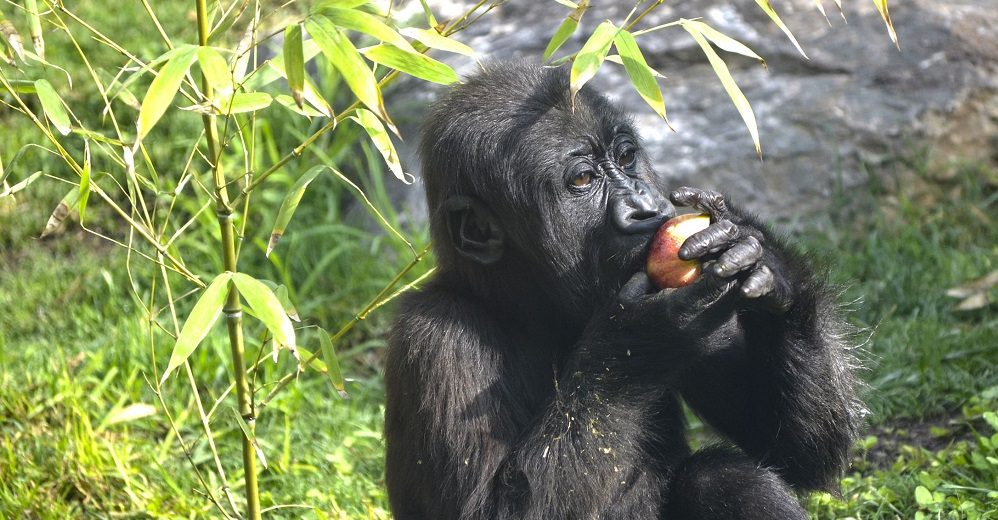
In captivity, gorillas follow a completely vegetarian diet, consisting mainly of leafy green vegetables such as lettuce and kale, carrots, zucchini, celery, and fruits like apples and oranges. Despite this diet, which we could call "pure vegetables," male gorillas can easily reach a weight of 130 to 230 kilograms and possess physical strength that far surpasses that of the average human athlete. Surprisingly, their diet lacks animal protein, eggs, lean chicken, or any other rich source of animal protein.
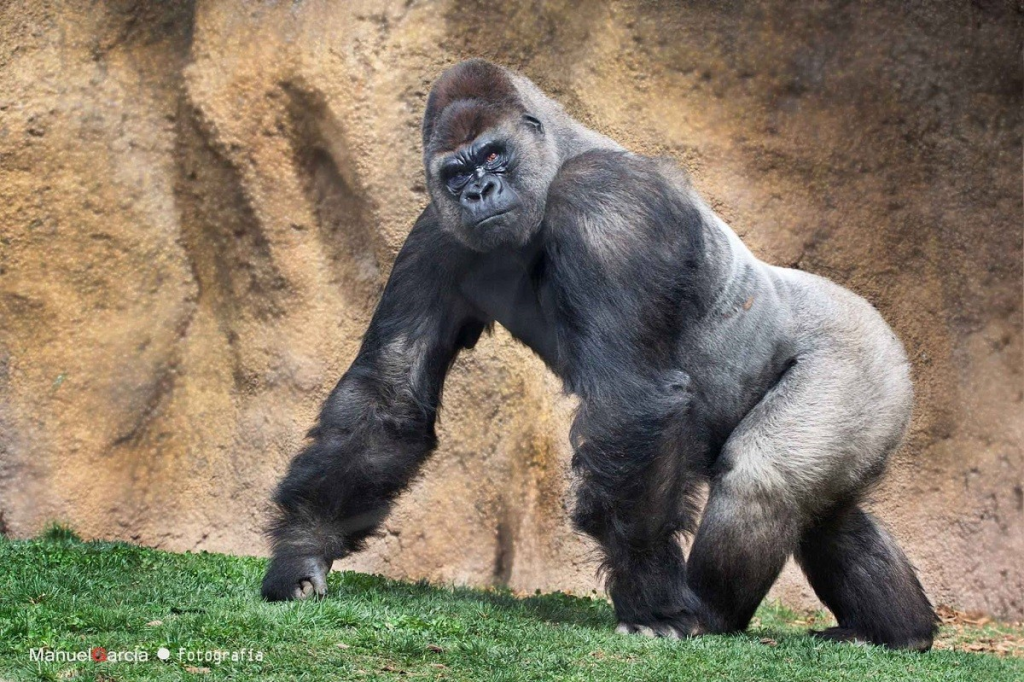
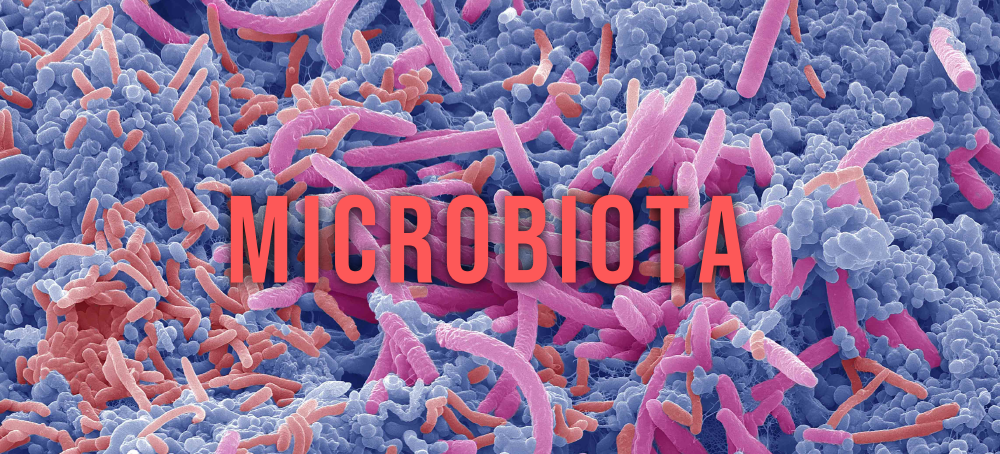
The answer lies in their unique digestive system and, possibly, in a heightened sensitivity to testosterone and a particular variant of the gene that regulates myostatin, a protein that inhibits muscle growth. Gorillas rely on their plant-based diet to build muscle tissue. The key physiological factor here is their specialized digestive system, which allows them to break down plant cellulose and utilize the amino acids released by gut bacteria thanks to their constant consumption of plant fiber.
But here's the key: gorillas aren't humans, and humans can't replicate this process. Our physiology is different, and we lack the gut microorganisms and enzymes needed to break down cellulose and synthesize protein in the same way gorillas do. Our digestive system is much smaller and designed for a more varied diet that includes both animal and plant proteins.
In short, while gorillas can maintain impressive musculature and an exclusively plant-based diet due to their specialized digestive system and gut microbiome, humans do not have the same capacity. Our evolution has equipped us with versatile digestive systems that allow us to consume a variety of foods and spend less time eating, leaving us more time for activities beneficial to our species, such as creating, learning, thinking, and thriving in a wide range of food environments. Furthermore, body fat plays a crucial role in survival in environments with less reliable food supplies, a characteristic that contrasts with the low levels of body fat in non-human primates such as bonobos.
10Sea
 25Jul
25Jul
 by bounesclow
138
Comments Off on Clenb en el Fisicoculturismo: Beneficios y Dosificación Recomendada
by bounesclow
138
Comments Off on Clenb en el Fisicoculturismo: Beneficios y Dosificación Recomendada
 27Sep
27Sep
 23Oct
23Oct
 14Dec
14Dec