


What are “LIGHT” products? And “ZERO” products?
Light foodAccording to Regulation 1294/2006 on nutrition and health claims made on foods, a "Light" product is defined as a food product in which the content of one or more nutrients (sugars, sodium, fat, or energy – calories) has been reduced by at least 301 TP3T compared to its reference product. "Zero" food: Currently, there is no legislation specifying the characteristics of a "Zero" product, only that it must always be accompanied by the ingredient it refers to. Therefore, in products labeled as such, even if we see "Zero" in large letters, we will always see smaller text that complements it: "Zero sugars," for example. Even so, we can say that a "Zero" product is one that contains 0% sugar or fat (or both if it is 0.0%).
Is it advisable to consume “LIGHT” or “ZERO” products?
The answer is no. Let's see why:

Many people choose to switch from conventional products to their "light" or "zero" counterparts because they believe they are healthier or promote weight loss. What they are actually doing is creating the illusion of weight loss, encouraging the consumption of unhealthy foods, and increasing consumer confusion. Therefore, it is crucial to read the label of every food product, analyze it, and understand its meaning.
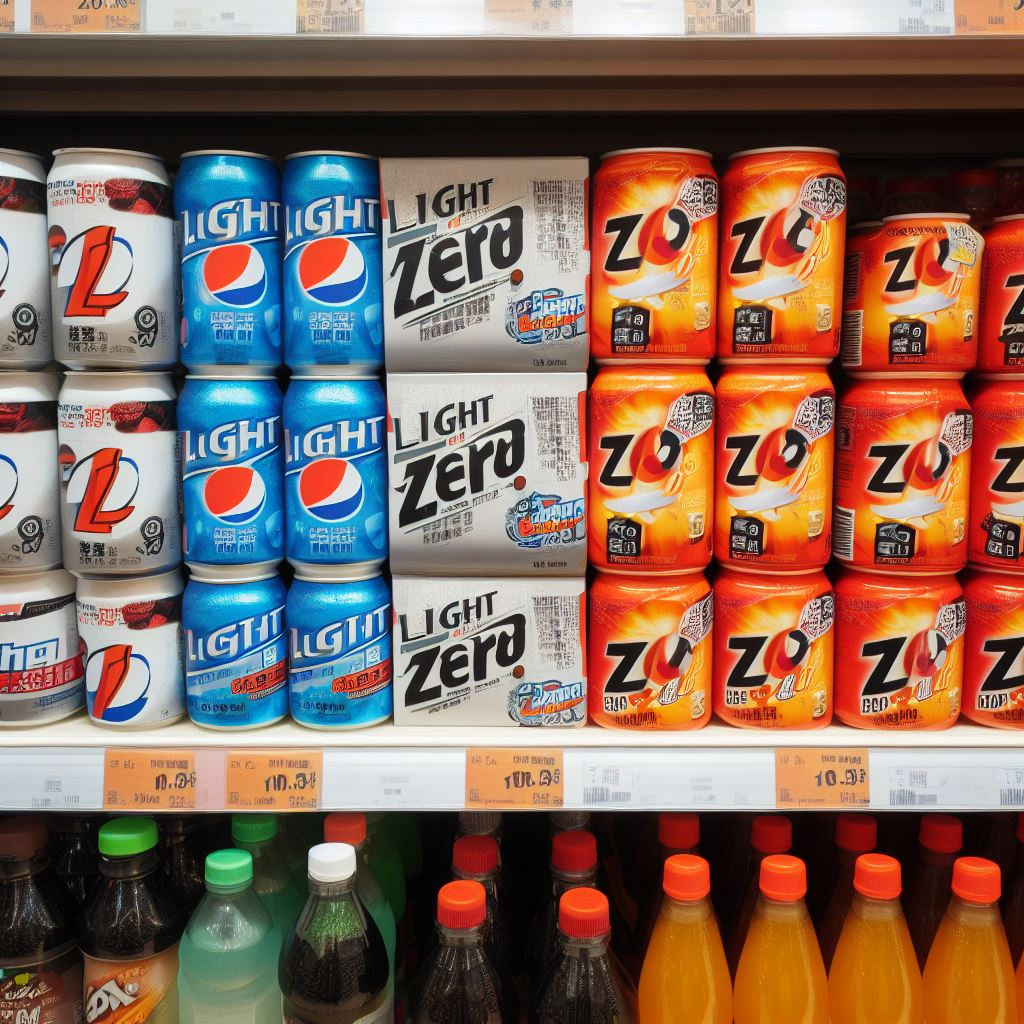
It's true that they are lower in calories, but when the calorie content is reduced, artificial sweeteners like aspartame or acesulfame potassium are used as substitutes, and these are not healthier. Although light versions provide fewer calories, fats, or sugars than their regular counterparts, they still contain a significant amount of fats and sugars, as is the case with mayonnaise, butter, pastries, cookies, and cheeses. For example, light spreadable cheeses still contain cream among their main ingredients, and light potato chips still contain palm oil. It can also happen that the sugar content is reduced but the product is loaded with fat, which is not desirable. Or conversely, the fat content is reduced, and to maintain palatability, it is replaced with sugars, as in the case of light mayonnaise. Sometimes, a lot of salt is also added.
When it comes to low-fat products, it's better to focus on the quality of the fat rather than the quantity. The way the fat affects our bodies depends on the food source and the industrial processing it undergoes.
Numerous studies have shown that people who consume light products tend to eat larger quantities more frequently, resulting in the same or even more calories being consumed, in addition to consuming a food with little nutritional value and other ingredients that can harm us in the long run.
My research on the consumption of non-caloric sweeteners in gastrointestinal diseases has shown that saccharin may have a pro-inflammatory effect, and polyols can cause gastrointestinal symptoms and manifestations depending on the type and dose of the compound. Ingestion of xylitol, erythritol, sucralose, aspartame, acesulfame K, and saccharin may increase the secretion of gastrointestinal hormones that regulate intestinal motility. Steviol glycosides may have a favorable effect on liver fat percentage. Caution should be exercised when recommending aspartame intake for patients with chronic liver disease because it decreases the ratio of branched-chain amino acids to aromatic amino acids. Furthermore, the ingestion of non-caloric sweeteners may alter the composition of the gut microbiota, which could affect gastrointestinal symptoms and manifestations. Another study showed that consuming sweet flavors in the absence of calories produces significantly different effects compared to consuming sweet flavors associated with calories, and over time these effects can contribute to a positive energy balance and weight gain.
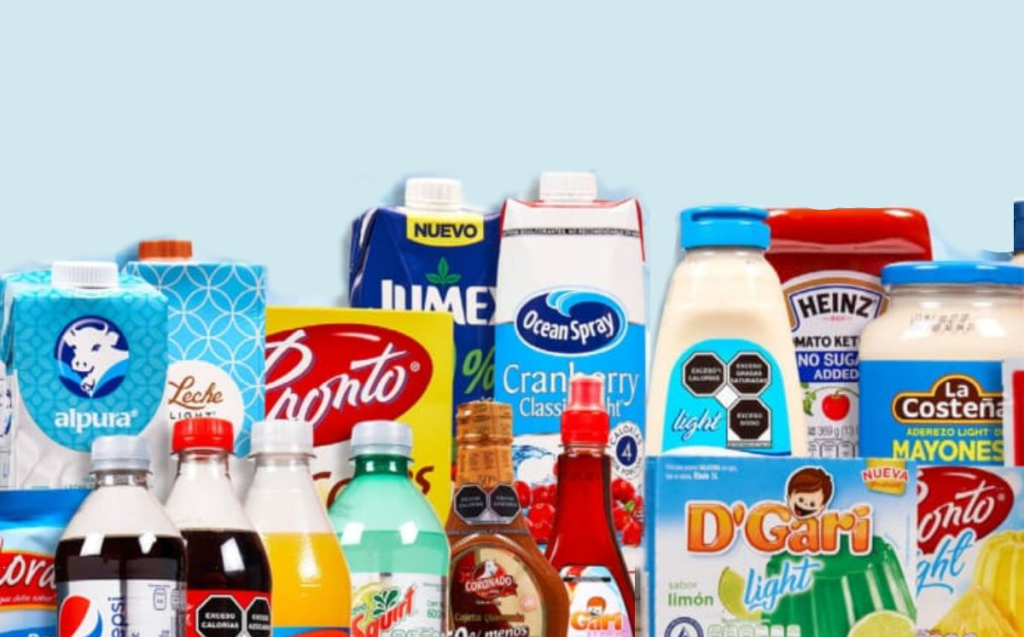
Our diet shouldn't be based on consuming light or zero-calorie products (which we should only consume occasionally and never make a habit of), but rather on FOOD (vegetables, fruits, legumes, nuts, fish, eggs, etc.). Minimally processed foods, eaten in a varied way to ensure we get all the necessary nutrients, and cooked in a healthy manner. All of this combined with an active lifestyle.
Joséomega coach 5626581827
 14Jul
14Jul
Deca: Uses, benefits, and considerations for bodybuilding and health
 by bounesclow
141
Comments Off on Deca: Uso, beneficios y consideraciones para el fisicoculturismo y la salud
by bounesclow
141
Comments Off on Deca: Uso, beneficios y consideraciones para el fisicoculturismo y la salud
Oxi: Boosting Performance in Bodybuilding (ANADROL)
 21Sep
21Sep
How to Know if You Need More Magnesium in Your Body?
 17Oct
17Oct
Are sugar-free soft drinks healthy? 🫗🥤
 10Nov
10Nov