Discovering the Multiple Uses of Coconut Oil for Optimal Health
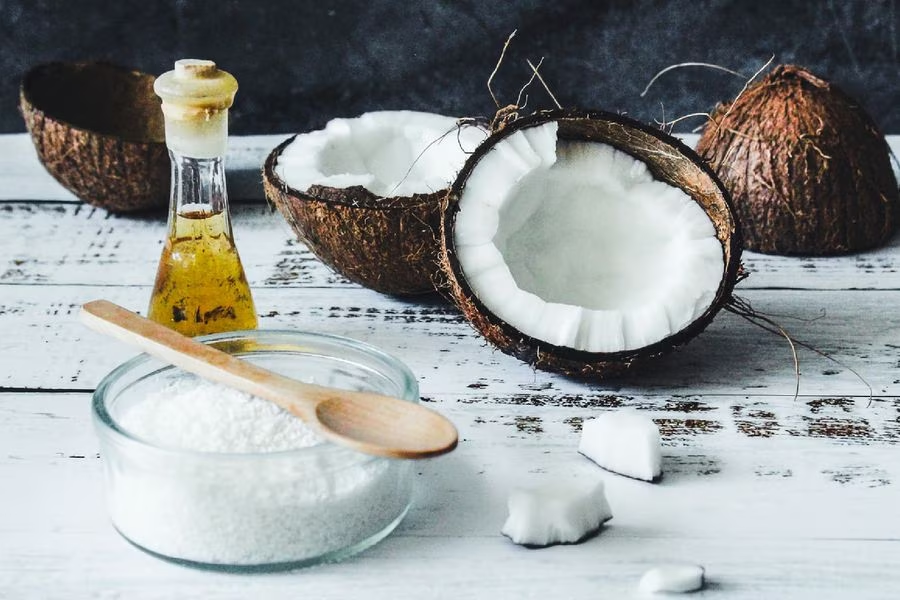
Coconut oil has long been recognized for its many uses and health benefits. Extracted from the pulp of the coconut palm fruit, this versatile oil has become a staple in cooking, skincare, and haircare, and has gained popularity for its potential health benefits. Here we explore some of the various uses and benefits of coconut oil for a healthier life.
1. Benefits for cardiovascular health
Recent research suggests that moderate consumption of coconut oil may contribute to cardiovascular health. Some studies have shown
1. Impact on cholesterol levels
Despite the previous belief that coconut oil could be detrimental to cardiovascular health due to its high saturated fat content, some recent studies suggest that coconut oil may increase levels of HDL (high-density lipoprotein) cholesterol, also known as "good cholesterol." An increase in HDL cholesterol can be beneficial, as it is associated with a lower risk of heart disease.
2. Effect on triglycerides
In addition to influencing HDL cholesterol levels, coconut oil has been shown to have a positive impact on triglyceride levels in some studies. High triglycerides are associated with an increased risk of heart disease. Consuming coconut oil has been observed to help lower triglyceride levels, which could contribute to improved cardiovascular health.
3. Potential to reduce blood pressure
Some preliminary research suggests that coconut oil may have a positive effect on lowering blood pressure. High blood pressure is a major risk factor for cardiovascular disease. While more research is needed to fully understand the mechanisms behind this effect, early studies show promising potential for coconut oil to contribute to cardiovascular health in this way.
4. Anti-inflammatory effects
Coconut oil contains certain fatty acids that have anti-inflammatory properties. Chronic inflammation has been linked to an increased risk of heart disease and other cardiovascular disorders. By reducing inflammation in the body, coconut oil may indirectly contribute to the health of the heart and blood vessels.
Although more research is needed to fully understand the effects of coconut oil on cardiovascular health, preliminary studies show a number of potential benefits. It is essential to remember that current findings are still evolving, and a thorough assessment of individual risk factors is required before including coconut oil as part of a cardiovascular health regimen. It is always advisable to speak with a doctor or registered dietitian before making significant dietary changes, especially if you have any pre-existing medical conditions.
2. Antimicrobial and antibacterial potential
Coconut oil contains lauric acid, which has antimicrobial and antibacterial properties. This makes it an effective agent against certain types of bacteria, fungi, and viruses. It has been traditionally used in Ayurvedic medicine and other medicinal practices as a natural remedy to fight infections and promote a healthy immune system.
Action against harmful bacteria
Coconut oil contains lauric acid, a medium-chain fatty acid known for its antibacterial properties. Lauric acid is converted into monolaurin in the body, which can help fight various types of harmful bacteria. Monolaurin has been shown to attack certain harmful bacteria by destabilizing their cell membranes, interfering with their ability to reproduce and cause infections.
Effect on pathogenic microorganisms
In addition to its antibacterial properties, coconut oil has shown potential in inhibiting certain pathogenic microorganisms. It has been used as an effective agent against certain fungi and yeasts, such as Candida albicans, which can cause fungal infections. Coconut oil's ability to control the overgrowth of these microorganisms may help maintain a healthy balance in the body and prevent infections.
Possible role in oral health
Coconut oil's ability to fight bacteria and fungi has made it a popular ingredient in mouthwash. Rinsing with coconut oil, also known as oil mouthwash, has gained popularity for its potential oral health benefits, such as reducing plaque, preventing the buildup of harmful bacteria, and improving gum health.
Applications in traditional medicine
Coconut oil has been used for centuries in the traditional medicine of various cultures for its antimicrobial and antibacterial properties. In several alternative medicine practices, it has been applied topically to treat wounds, skin infections, and dermatological conditions. It has also been used internally to promote a healthy immune system and prevent internal infections.
3. Hydration and skin care
Thanks to its rich fatty acid composition, coconut oil is a popular choice for skincare. It can help moisturize and soften dry skin, as well as soothe skin conditions like dermatitis and eczema. Furthermore, coconut oil has been shown to possess anti-inflammatory properties, making it a natural ally for healthy skin.
4. Improved hair health
Coconut oil has long been used as a natural treatment to improve hair health. Its moisturizing and nourishing properties are believed to help strengthen hair, prevent breakage and hair loss, and promote a healthy scalp. Furthermore, its ability to penetrate the hair shaft may contribute to its natural softness and shine.
5. It helps with weight loss
Although more research is needed, it has been suggested that consuming coconut oil in moderate amounts may help speed up metabolism and promote weight loss. Some proponents claim that the medium-chain triglycerides (MCTs) present in coconut oil may increase feelings of fullness and burn calories more efficiently.
In conclusion, coconut oil offers a wide range of health benefits, from improving cardiovascular health to caring for the skin and hair. While proper dosage and use in conjunction with a healthy lifestyle should be considered, this versatile natural oil can be a valuable addition to any comprehensive wellness regimen.
Although more research is needed, it has been suggested that consuming coconut oil in moderate amounts may help speed up metabolism and promote weight loss. Some proponents claim that the medium-chain triglycerides (MCTs) present in coconut oil may increase feelings of fullness and burn calories more efficiently.
It has been observed that MCTs are metabolized more quickly compared to other fats, making them a faster source of energy for the body. This rapid conversion of MCTs into energy can potentially increase thermogenesis, resulting in greater calorie burning.
Furthermore, it has been theorized that coconut oil may help reduce the accumulation of abdominal fat, which is associated with an increased risk of chronic diseases such as type 2 diabetes and heart disease. However, more research is needed to fully understand the effects of coconut oil on weight loss and whether these benefits apply universally to all individuals.
As with any dietary change, it's essential to remember that successful weight loss involves a holistic approach that includes a balanced diet, regular exercise, and an overall healthy lifestyle. It's always advisable to speak with a doctor or registered dietitian before making significant dietary changes, especially if you have a pre-existing medical condition.
Remember that it is always important to consult a health professional before making significant changes to your diet or self-care regimen.
Gorillas, orangutans, bonobos, and chimpanzees are fascinating creatures, not only because of their close genetic relationship to humans, but also because of their impressive strength,...
by bounesclow136Comments Off on No comas como un GORILA
Introduction The recovery phase is a fundamental but often neglected aspect of bodybuilding. Making the most of this period can make all the difference...
by bounesclow183Comments Off on 5 Consejos para Maximizar el Crecimiento Muscular en la Etapa de Recuperación







 01Jul
01Jul
 by
by