


 14May
14May
Blog
CMLL's Lluvia talks about his time in Omega Team
CMLL wrestler Lluvia tells us about her journey with Omega Team, from how she changed her life habits to...
Rhabdomyolysis is a potentially serious medical condition in which muscle cells break down excessively, releasing a substance called myoglobin into the bloodstream. This release can have harmful effects on the kidneys and other organs, making rhabdomyolysis a medical emergency that requires immediate attention. In this article, we will explore the causes, symptoms, consequences, susceptible individuals, and ways to prevent rhabdomyolysis.
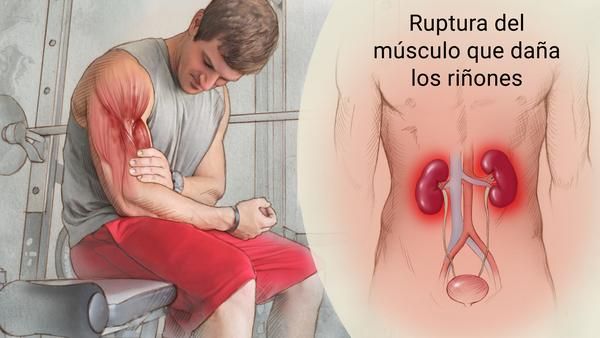
Rhabdomyolysis can be caused by a variety of factors, including:

The symptoms of rhabdomyolysis can vary in severity and may include:
If left untreated, rhabdomyolysis can have serious health consequences, including:

While anyone can be at risk of developing rhabdomyolysis under certain circumstances, some people may be more susceptible due to factors such as:

To prevent rhabdomyolysis, the following is recommended:
In conclusion, rhabdomyolysis is a serious condition resulting from the excessive breakdown of muscle cells and the release of myoglobin into the bloodstream. Recognizing the symptoms, understanding the causes, and taking preventative measures can be crucial to avoiding the potentially serious complications associated with this condition. It is always advisable to consult a healthcare professional if rhabdomyolysis is suspected or if you experience concerning symptoms after intense physical activity or other high-risk situations.
14May
 12Sep
12Sep
 04Oct
04Oct
 by bounesclow
136
Comments Off on El Uso del Stan en Fisicoculturistas: Beneficios, Efectos y Consideraciones
by bounesclow
136
Comments Off on El Uso del Stan en Fisicoculturistas: Beneficios, Efectos y Consideraciones
 01Nov
by bounesclow
160
Comments Off on Todo lo que necesitas saber sobre el Entrenamiento HIT (High-Intensity Training)
01Nov
by bounesclow
160
Comments Off on Todo lo que necesitas saber sobre el Entrenamiento HIT (High-Intensity Training)
 29Dec
by bounesclow
105
Comments Off on Alcanzando tus Metas Corporales en el 2024: Claves para Mantener la Motivación y Consistencia
29Dec
by bounesclow
105
Comments Off on Alcanzando tus Metas Corporales en el 2024: Claves para Mantener la Motivación y Consistencia