


Introduction
Creatine is one of the most popular and studied supplements in the world of sports and fitness. Used by athletes and sportspeople in various disciplines, this substance has been shown to have positive effects on physical performance and muscle strength. In this article, we'll explore exactly what creatine is, how it works in the body, and its uses for improving athletic performance.
What is Creatine?
Creatine is an organic compound naturally present in the human body and in some foods, such as meat and fish. It is synthesized in the liver, kidneys, and pancreas, and then transported to the muscles, where it is stored as phosphocreatine. This phosphocreatine is essential for the production of rapid, explosive energy during intense, short-duration physical activities, such as weightlifting, sprinting, and jumping.
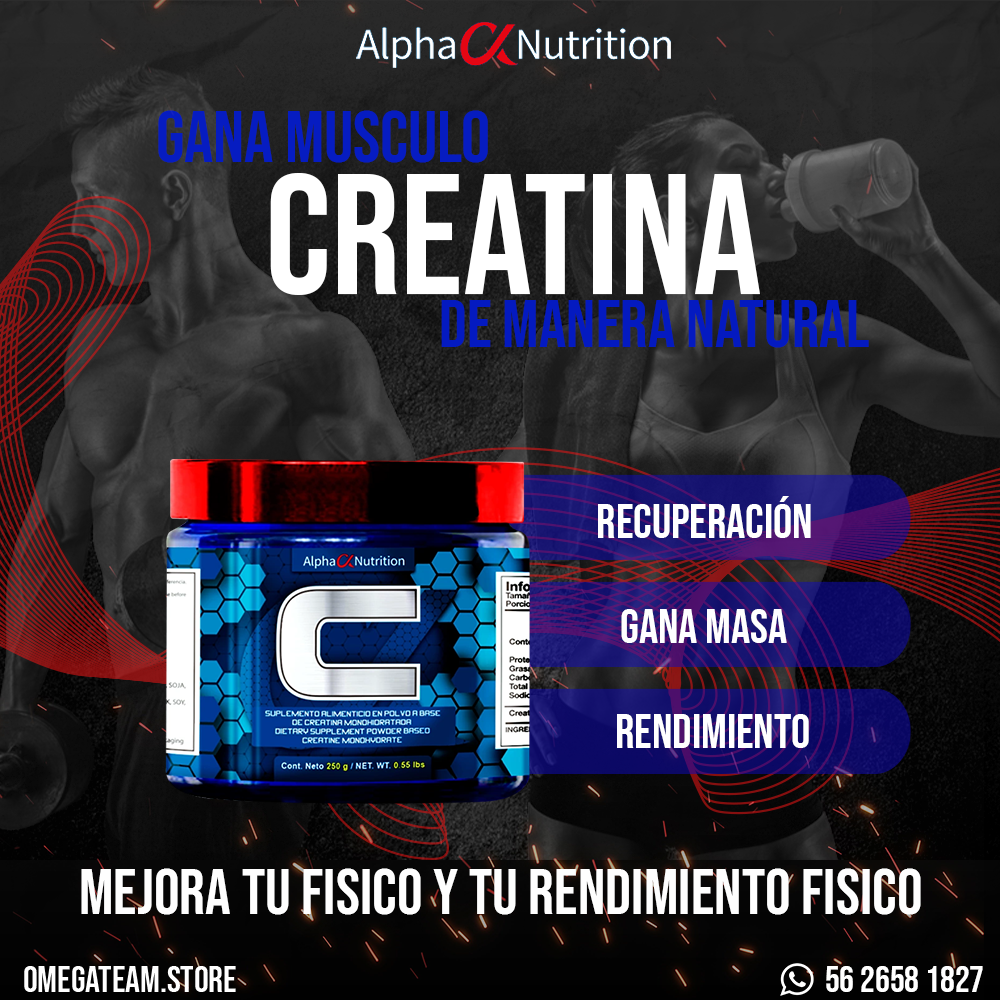
How Creatine Works in the Body
During high-intensity exercise, our body uses adenosine triphosphate (ATP) as its primary energy source. However, ATP reserves are limited and are quickly depleted. This is where creatine comes in: by donating a phosphate group to ADP (adenosine diphosphate), creatine phosphate is converted into ATP, allowing for rapid energy regeneration and an increased capacity for high-intensity efforts.

Benefits of Creatine for Athletes
- Increased Muscle StrengthNumerous studies have shown that creatine supplementation increases muscle strength in athletes and sportspeople, allowing them to lift heavier loads and perform more demanding exercises.
- Improvement of Athletic PerformanceCreatine has been shown to improve performance in sports that require short bursts of energy, such as weightlifting, sprinting, jumping, and soccer.
- Increased ResistanceAlthough creatine is best known for its effect on high-intensity exercise, some studies suggest that it may also have benefits in prolonged endurance activities.
- Muscle RecoveryCreatine has been associated with reduced muscle damage and improved recovery after intense exercise, allowing athletes to train more frequently and consistently.
- Stimulation of Muscle GrowthIn addition to its effect on strength, creatine can also stimulate muscle growth by increasing protein synthesis and cellular hydration.

Uses and Recommendations
Creatine is available in different forms, with creatine monohydrate being the most common and studied. It can be consumed through powdered supplements, capsules, or tablets.
Recommended dosages vary, but a common strategy is a loading phase, which involves taking 20 grams of creatine divided into four daily doses for five to seven days, followed by a maintenance phase with 3-5 grams daily. However, some people may benefit from a lower dose and without a loading phase.
It is important to remember that, as with any supplement, it is advisable to consult with a healthcare professional before starting creatine supplementation, especially if you have pre-existing medical conditions or are taking other medications.
Conclusion
Creatine is a widely studied and scientifically supported supplement that offers numerous benefits for athletes. From improving strength and athletic performance to promoting muscle recovery and growth, this substance can be a valuable tool for those looking to enhance their physical performance.
However, as with any supplementation strategy, it's important to use it responsibly and under the guidance of a healthcare professional. When used correctly, creatine can be a powerful ally in achieving your athletic goals and taking your physical abilities to the next level. Boost your training with creatine and feel the difference in your performance! 💪🏋️♀️
 14Jul
14Jul
Deca: Uses, benefits, and considerations for bodybuilding and health
 by bounesclow
103
Comments Off on Deca: Uso, beneficios y consideraciones para el fisicoculturismo y la salud
by bounesclow
103
Comments Off on Deca: Uso, beneficios y consideraciones para el fisicoculturismo y la salud
 05Sep
05Sep
Trenbold in Bodybuilding
 22Sep
22Sep
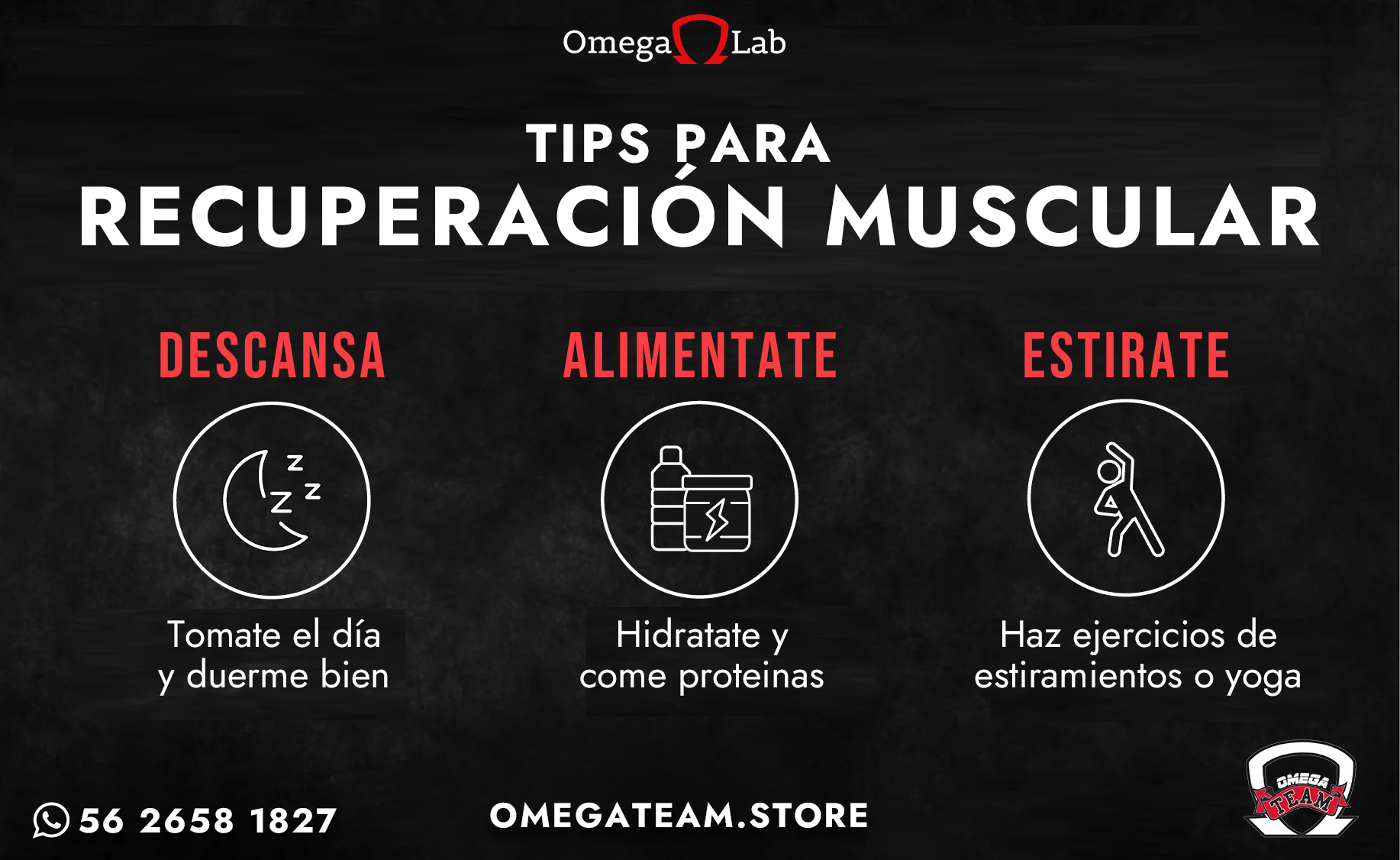
How Long Should You Rest Before Training a Muscle Again?
by bounesclow
97
Comments Off on ¿Cuánto Tiempo Debes Descansar Antes de Volver a Entrenar un Músculo?
 17Oct
17Oct
Are sugar-free soft drinks healthy? 🫗🥤
 10Nov
10Nov