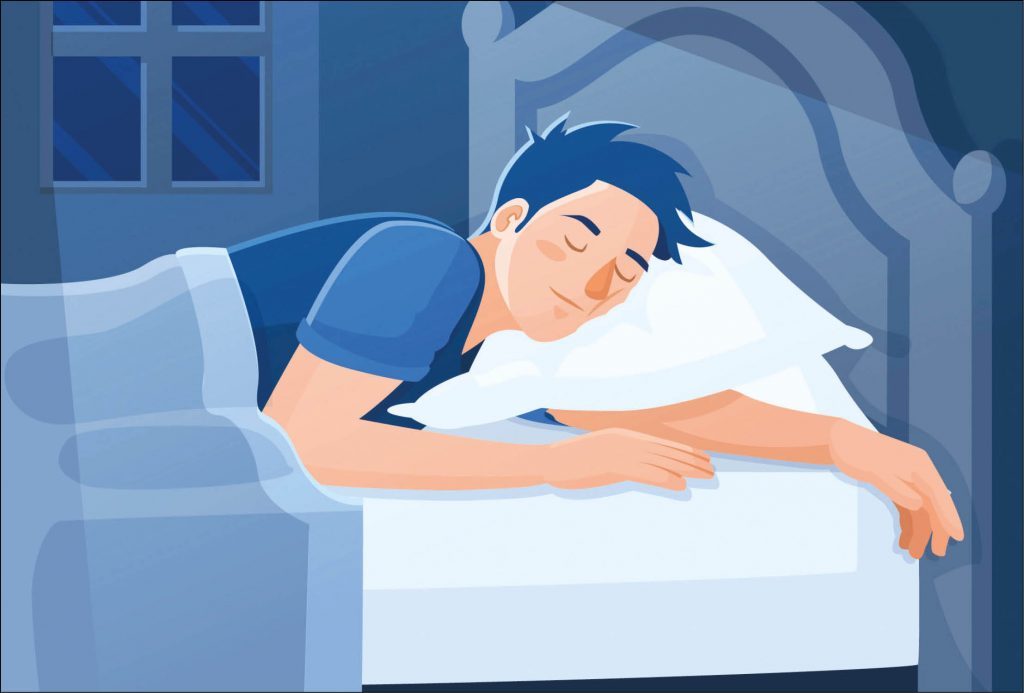
What is a sleep cycle?
When you sleep, your body and brain go through several sleep cycles. Each cycle consists of four distinct stages: three initial stages of non-rapid eye movement (NREM) sleep and a final stage of rapid eye movement (REM) sleep.
Stage 1 NREM: The first stage of sleep, the period between wakefulness and sleep.
Stage 2 NREM: Sleep begins. You are no longer aware of your surroundings, your body temperature drops slightly, and your breathing and heart rate become regular.
Stage 3 NREM: The deepest and most restorative stage of sleep. Breathing slows, blood pressure drops, muscles relax, and hormones are released. This is where the body's physical and mental recovery process takes place, while simultaneously gaining energy.
REM sleep: The final stage of the sleep cycle. The brain is most active and dreams occur. Your eyes move rapidly under your eyelids. REM sleep It increases cognitive and physical performance upon waking.
How long does a sleep cycle last?
Each cycle lasts an average of 90 minutes. An adult typically sleeps five cycles per night, which equates to 7.5 hours of sleep. Six complete cycles correspond to approximately 9 hours of rest. The REM sleep phase represents approximately 251 minutes of the cycle.
Hours of sleep by age
How many hours of sleep do we need for good health? When it comes to sleep, people have different needs depending on their age. In general, the younger we are, the more sleep we need. Scientists have estimated that, on average, the needs are as follows:
Age Required rest time
0 – 3 months 14 – 17 hours
4 – 11 months 12 – 15 hours
1 – 2 years 11 – 14 hours
3-5 years 10-13 hours
6 – 13 years 9 – 11 hours
14 – 17 years old 8 – 10 hours
18 – 65 years 7 – 9 hours
65 years old 7 – 8 hours
What is the importance of sleep for health?
Sleep is a vital state, necessary for proper brain function and muscle recovery. Therefore, getting enough rest is essential. Lack of sleep has negative effects on health and overall well-being. Below is a summary of the possible consequences of sleep deprivation:
Health and well-being: It increases the risk of developing chronic diseases such as high blood pressure, type 2 diabetes, heart disease, depression, or obesity. It also impacts the immune system.
Weight: Lack of sleep alters hormone levels. This can lead to increased hunger and, therefore, increased appetite, as well as changes in metabolism. There is a risk of overeating and weight gain.
Eating behaviors: Insufficient or disrupted sleep can trigger cravings, including increased consumption of snacks and sugary foods, sometimes late at night.
Physical activity: Less motivation to be active, less physical expenditure.
Mood and cognitive abilitiesLack of sleep often leads to mood swings, decreased stress resistance, irritability, and/or depression. It can also result in decreased concentration and creativity, and increased difficulty in problem-solving and decision-making.
Quality of lifeEffects on productivity at work, family relationships, social activities, and other aspects of life.
NOTE: IF YOU WANT TO SEE RESULTS IN YOUR PHYSICAL FITNESS, APART FROM FOLLOWING A PROPER DIET AND TRAINING CORRECTLY, YOU NEED TO GET ENOUGH SLEEP 💤




 01Jul
01Jul
 by
by