The world of sports is full of challenges and achievements, but it can also carry certain health risks. One of these common risks is hernias, a condition that can negatively impact the performance and quality of life of any athlete. Understanding how hernias occur, why athletes are more prone to them, and what preventative measures can be taken is essential for ensuring a long and successful athletic career.
What is a hernia?
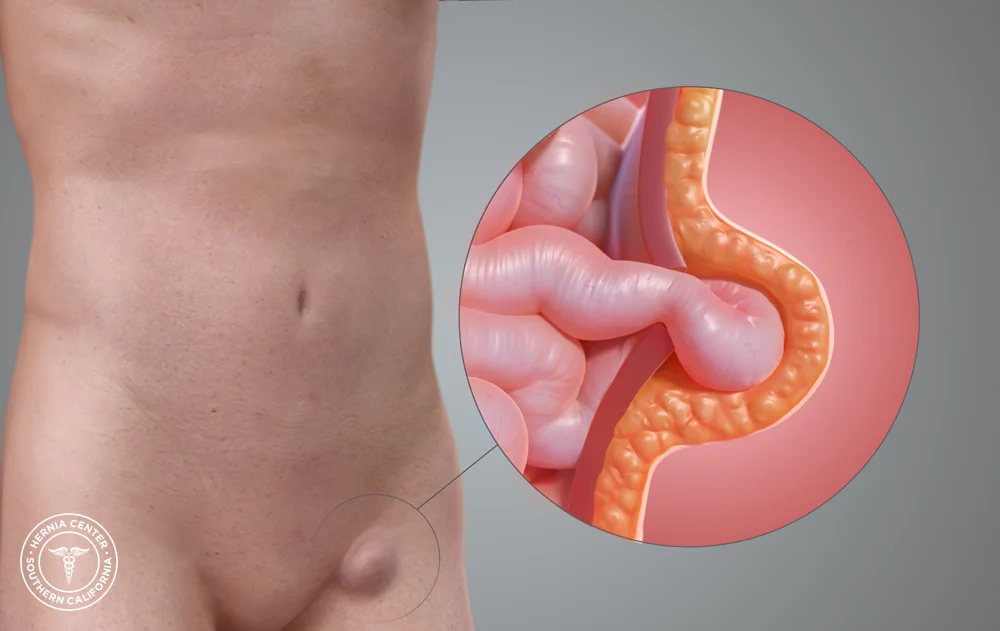
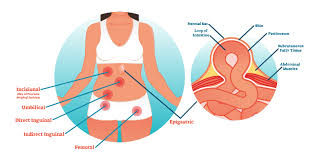
Simply put, a hernia occurs when internal tissue or an organ protrudes through a weakness or hole in the muscle or tissue that normally contains it. This often occurs in the abdominal area or groin region, causing considerable discomfort and, in some cases, requiring medical intervention.
How do hernias occur?
Hernias can develop due to a combination of factors, such as lifting heavy objects incorrectly, a weakness in the abdominal wall, or excessive and sustained abdominal pressure. This can occur during activities involving sudden movements, such as weightlifting, jerky movements, twisting, or rapid changes of direction, common in sports like weightlifting, soccer, basketball, and tennis.
Why are athletes more prone to hernias?
Athletes are often exposed to a combination of intense physical exertion and sudden movements, which can put considerable stress on the body's muscles and tissues. Furthermore, inadequate warm-up, improper technique, and insufficient core strength and flexibility can increase the risk of developing a herniated disc.
How to prevent hernias in athletes?
Fortunately, there are several preventative measures athletes can take to reduce their risk of developing a hernia. These include:
Maintain proper technique: Make sure you receive proper training for your sport and practice safe weightlifting techniques and specific body movements.
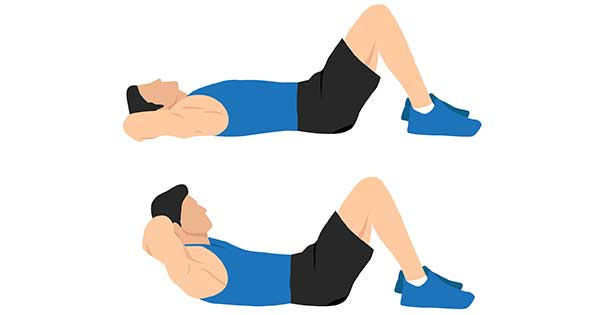
Strengthen the core: Incorporate exercises that strengthen the abdominal and lumbar muscles to improve stability and reduce pressure on the abdominal region.
Proper heating and cooling: Perform appropriate warm-ups and stretches before and after each training session or competition to prepare your muscles and prevent injuries.
Listen to your body: If you feel any pain or discomfort during sports practice, stop and seek medical advice if necessary.
Maintain a healthy weight: Maintaining a healthy weight for your body type can reduce pressure on muscles and tissues, thus decreasing the risk of hernias.
The use of weightlifting belts is a controversial topic in both the sports and medical fields. While some argue that belts can provide some support and stability during weightlifting, their effectiveness in preventing hernias specifically is not clearly supported by solid scientific evidence.
It has been suggested that wearing a waist trainer can provide a feeling of compression in the abdominal area, which theoretically could help reduce pressure on the muscles and tissues. However, prolonged or incorrect use can weaken the core muscles, which in the long term could increase the risk of injuries, including hernias.
It's important to note that using back braces should not be considered a definitive solution for preventing hernias. Instead, priority should be given to properly strengthening the abdominal and lower back muscles, as well as adopting appropriate weightlifting techniques. A balanced approach that includes an exercise program to strengthen the core, combined with proper technique and an overall preventative approach, is essential for reducing the risk of hernias and weightlifting-related injuries.
Before using back braces or other types of support, it's essential to consult a medical professional or a sports physiotherapist to assess the need for and effectiveness of their use based on individual circumstances and the specific demands of the physical activity performed. Remember that long-term injury prevention is generally achieved through a comprehensive approach that includes muscle strengthening, proper technique, and actively listening to your body.
Conclusion
Hernias can pose a significant challenge for athletes, but by understanding how they occur and adopting appropriate preventative practices, it's possible to reduce the risk of developing this condition. By paying attention to technique, muscle strength, and actively listening to their bodies, athletes can enjoy a long and successful career in sports, minimizing the likelihood of experiencing health problems associated with hernias.
Gorillas, orangutans, bonobos, and chimpanzees are fascinating creatures, not only because of their close genetic relationship to humans, but also because of their impressive strength,...
by bounesclow95Comments Off on No comas como un GORILA
Introduction The recovery phase is a fundamental but often neglected aspect of bodybuilding. Making the most of this period can make all the difference...
by bounesclow128Comments Off on 5 Consejos para Maximizar el Crecimiento Muscular en la Etapa de Recuperación






 01Jul
01Jul
 by
by