


Types of fats
There is a lot of confusion about whether fat is "good" or "bad".
Some say fat makes you fat, while others say fat should make up the majority of your diet. Who is right?
The answer lies somewhere in between. Body type, weight, and health conditions can all affect how much fat a person should eat, as well as the type of fat they should prioritize.

Why do we need fat in our diet?
Fats are the main source of energy. They have a high caloric value and provide around 9 kcal per gram – that's almost twice as much as proteins or carbohydrates (the other two macronutrients).
Even so, if we consume more energy in the form of fat than our body needs, it will be stored in fat reserves.
Although we often think about reducing fat intake when we want to lose weight, it's important to retain a certain amount of fat to maintain a healthy body.
How does fat help us?
- It protects and isolates the organs
- It absorbs the fat-soluble vitamins A, D, E, and K.
- It regulates hormone production
- And much more…
What are the 3 types of fatty acids and which ones are healthy?
The fats we eat can contain different types of fatty acids, including saturated fatty acids, unsaturated fatty acids, and trans fats.
- 1 – Saturated fatty acids or saturated fats
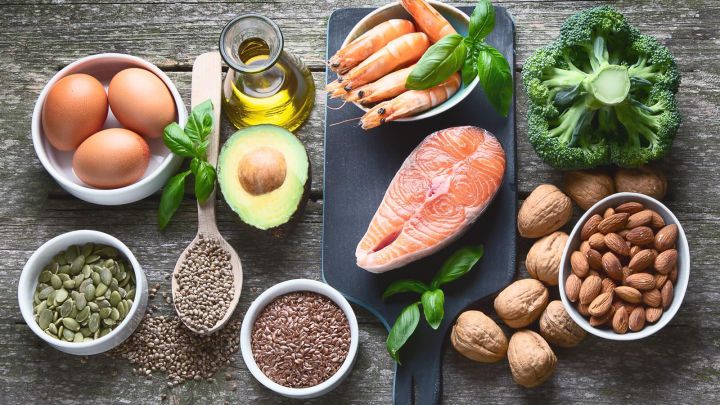
This type of fatty acid is found mainly in animal products such as butter, cheese, cream, but also in some vegetable fats such as palm oil or coconut oil.
- 2- Unsaturated fatty acids or unsaturated fats
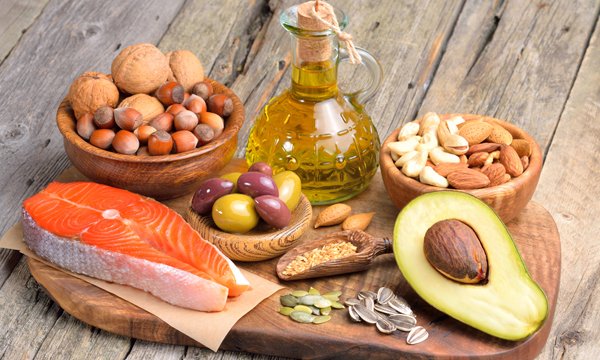
Unsaturated fats are found mainly in vegetable oils, such as rapeseed, olive, sunflower and peanut oil, and in avocados, nuts and fatty fish.
- 3- Trans Fats
This type of fat can be found in highly processed foods, cakes, cookies, margarine, frozen food, among others.


Are saturated fats healthy?
Saturated fatty acids are also known as “unhealthy” fats; however, saturated fats are crucial for maintaining good health. (1, 2, 3) Our bodies have essential fats that are maintained through the intake of saturated fats, and these fats help the body develop. Organs are covered by a layer of fat that protects them, cells are covered by a fatty membrane that aids in regulation, and some fats help in the process of hormone production.
But let's be clear, you don't have to start eating large amounts of butter for breakfast to increase your intake of saturated fats.
What are good sources of saturated fats?
If you don't follow a vegetarian or vegan diet, you probably already consume enough saturated fat through animal products. Some of these sources include eggs, milk, cheese, butter, ghee, chicken, beef, pork, and others.
salmon, etc.
For people who don't eat meat, there are many ways to consume healthy saturated fats. Avocados, nuts, seeds, coconut, coconut oil, chia seeds, and dark chocolate also contain saturated fats.
Are unsaturated fats healthy fats?
Unsaturated fats offer the most benefits. They help protect the brain, reduce injury and inflammation, keep the heart healthy, and much more.
We could consider these fats as protecting our bodies. They fight to keep us healthy against negative stress that can be harmful.
Omega-3 and Omega-6 fatty acids
There is a difference between omega-6 fatty acids (found in sunflower, corn, and soybean oils) and omega-3 fatty acids.
Omega-3 fatty acids protect the cardiovascular system and help prevent heart disease. They also positively affect cholesterol levels, increasing "good" cholesterol (HDL), and are very important for brain development.
People have started consuming mostly omega-6 fatty acids, and their intake of omega-3 fatty acids has decreased. This can lead to chronic inflammation in certain parts of the body. Most of us consume around a 17:1 ratio of omega-6 to omega-3 fatty acids, when the ratio should be 5:1.
What are suitable sources of Omega-3?
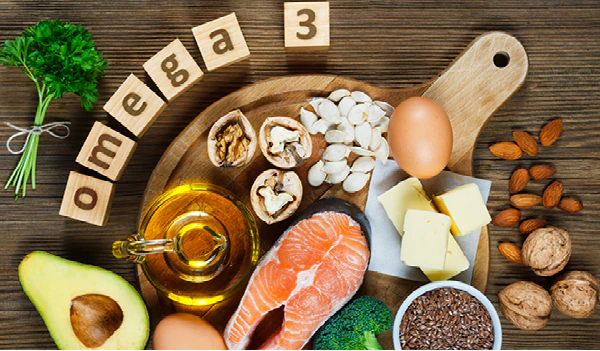
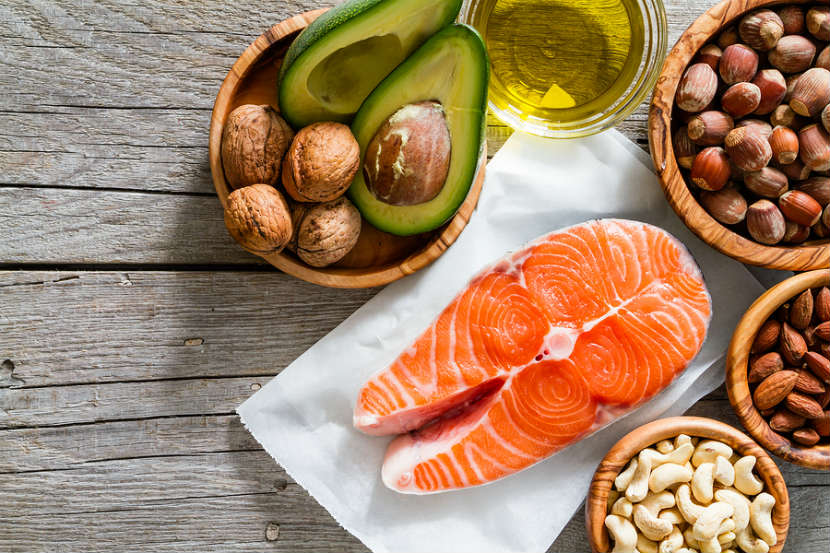
There are a wide variety of sources rich in omega-3, including:
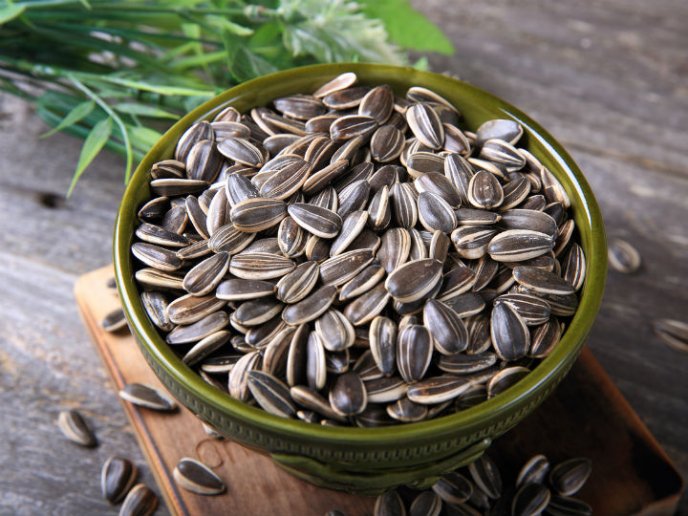
fatty fish (salmon, tuna, trout, herring), avocado, oils (flaxseed, fish, olive, avocado), nuts (pecans, cashews, almonds, walnuts), seeds (flaxseed, chia, pumpkin).
The great thing about this type of fat is that it's very easy to incorporate into your diet! Try adding a source of fat to each meal to give yourself energy throughout the day. For example, ¼ of an avocado, a tablespoon of oil, some nuts or seeds, or include fatty fish as your protein source in your meals.
Are trans fats healthy?
Artificial trans fats are created through an industrial process in which hydrogen is added to oil to solidify it. Consuming these foods in large quantities is associated with a higher risk of death. This is primarily due to the fact that this type of fat lowers "good" cholesterol, raises "bad" cholesterol, and promotes inflammation.
Trans fats can be hidden, but the easiest way to spot them is by looking at the grams of trans fats on the nutrition label of foods and looking for partially hydrogenated oils in the ingredients section.
Instead of eating french fries from a fast food restaurant, try making them at home in the oven.

Other sources of Omega 3 and 6
These types of essential fats can also be found in dietary supplements if we have a deficiency of them in our daily meals.
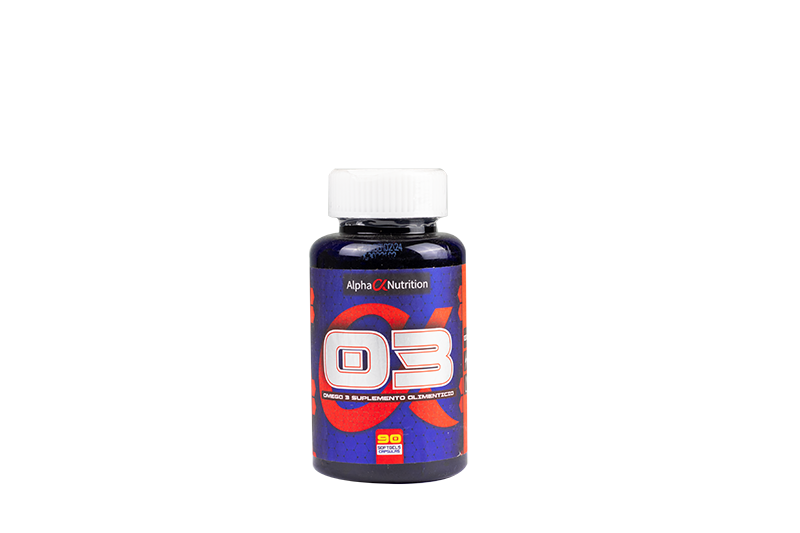
We highly recommend Alpha Nutrition supplements because they contain all the essential nutrients we need daily for a better quality of life. Below you'll find a list of products containing these essential fats.
 19Jul
19Jul
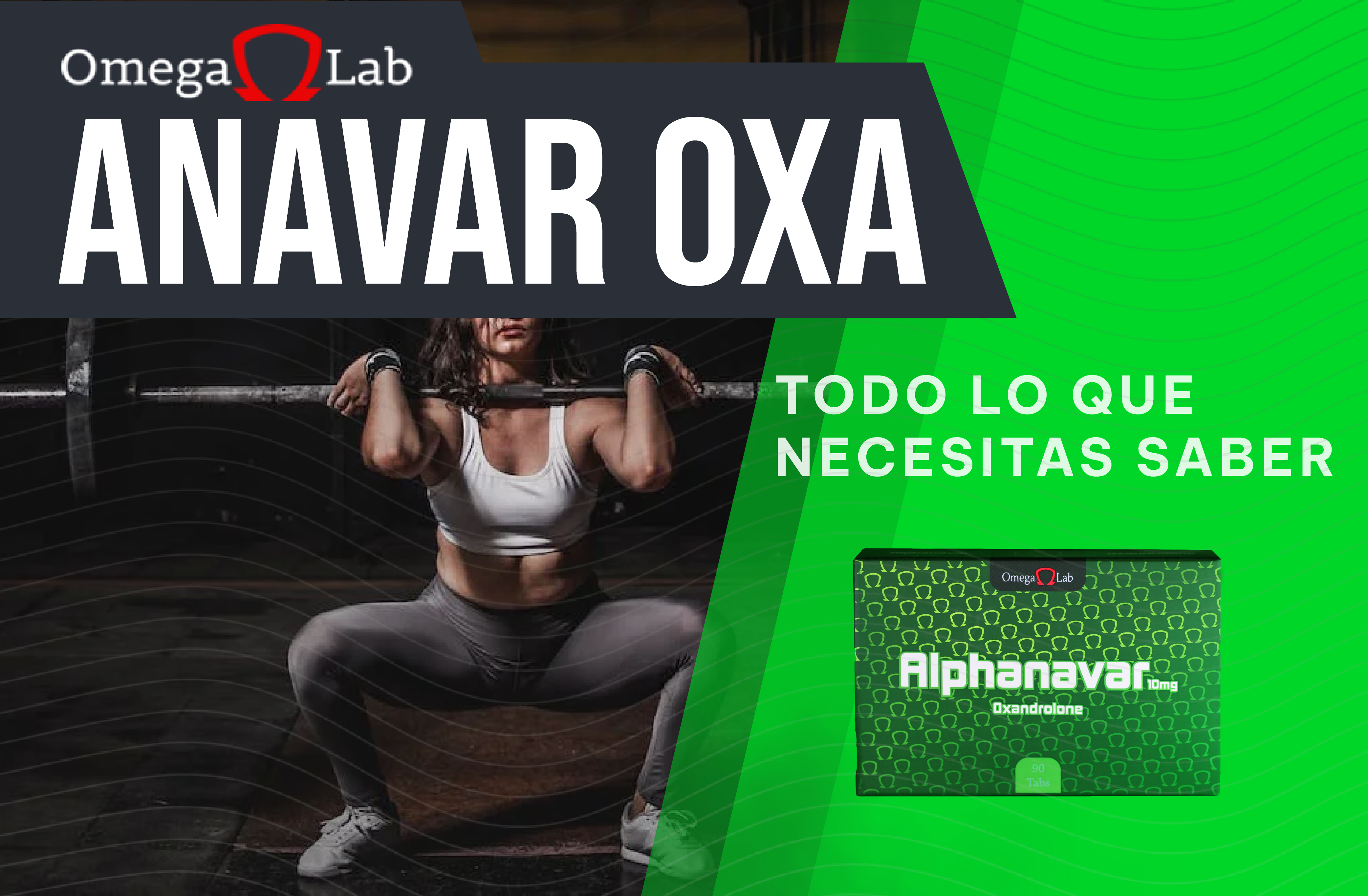
Oxan and its Uses in Bodybuilding
 05Sep
05Sep
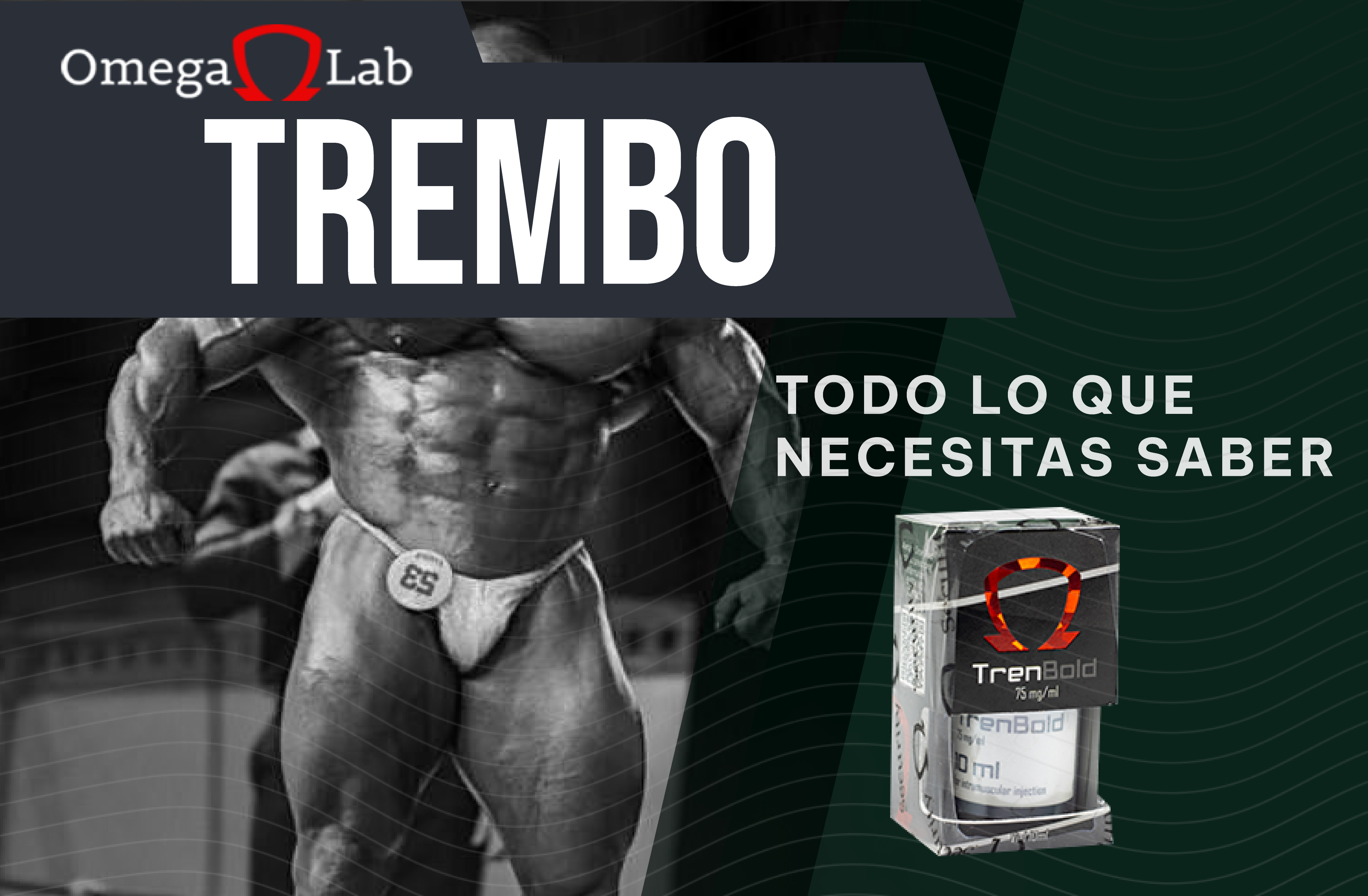
Trenbold in Bodybuilding
 22Sep
22Sep
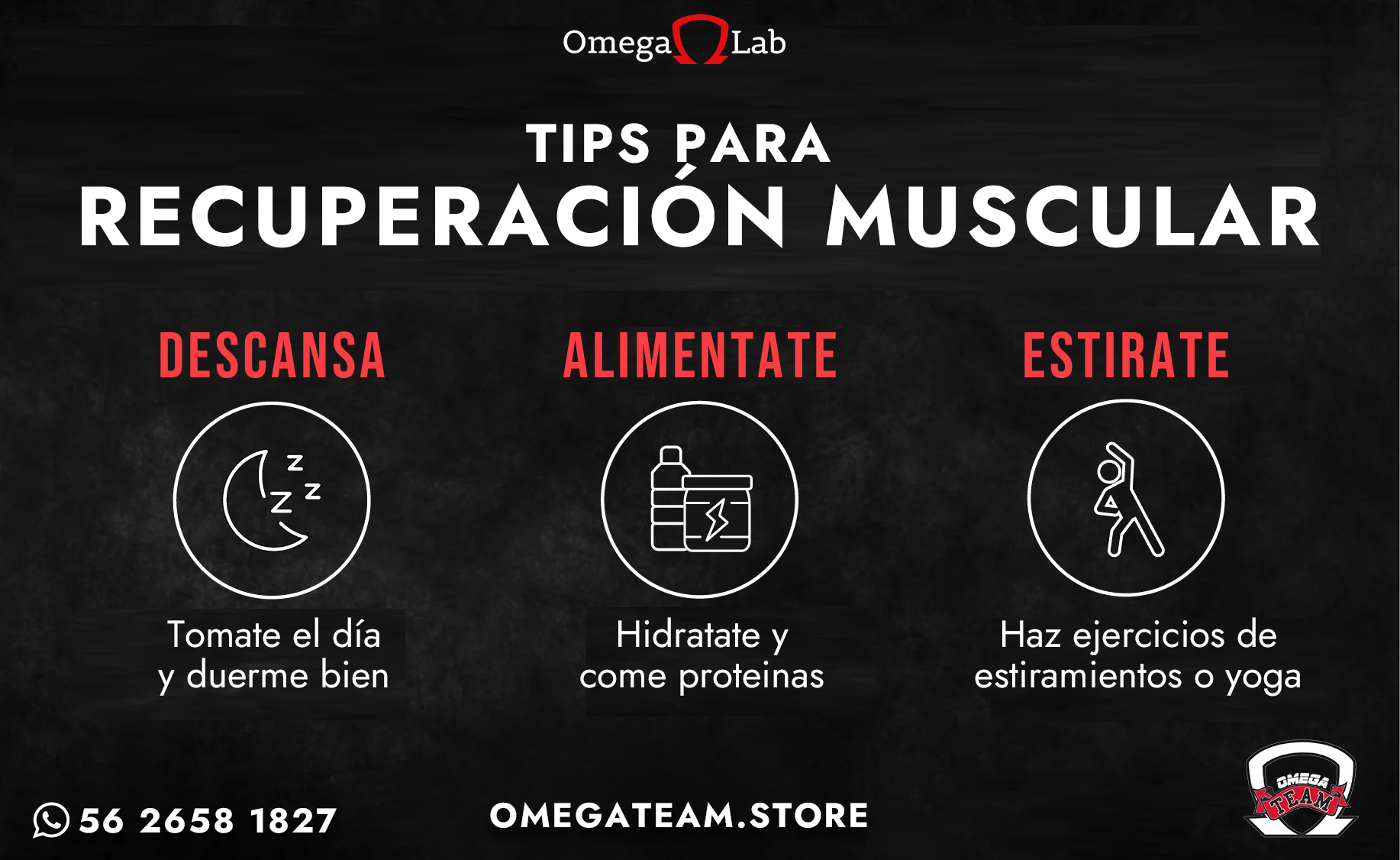
How Long Should You Rest Before Training a Muscle Again?
 by bounesclow
133
Comments Off on ¿Cuánto Tiempo Debes Descansar Antes de Volver a Entrenar un Músculo?
by bounesclow
133
Comments Off on ¿Cuánto Tiempo Debes Descansar Antes de Volver a Entrenar un Músculo?
 17Oct
17Oct
Are sugar-free soft drinks healthy? 🫗🥤
 10Nov
10Nov