


 10Sea
10Sea
Blog
Food and your gut.
Have you ever wondered which foods affect your gut? Here we explain the importance of our diet and the functions our gut performs...
by: Dr. Emmanuel Jorge number: 5571188105 & 5585244922

In the world of men's health, the role of androgens, such as testosterone, has been the subject of endless debate and concern. However, what happens when we consider the interaction between androgens and prostaglandins in relation to prostate gland health?
Prostaglandins, often overlooked, are lipid compounds with a variety of functions in the body, including regulating the immune system, inflammation, and muscle contraction (and with increased training volume, their presence and effects increase).
But what exactly is its role in prostate health?
Its relationship with androgens and its influence in this specific area remains largely unexplored territory for trainers of competitors and athletes
Increased androgen levels, particularly testosterone, have been commonly associated with prostate growth and, in some cases, with health problems such as benign prostatic hyperplasia (BPH) or even prostate cancer. However, the understanding of how prostaglandins interact with this androgen increase and their impact on prostate health remains a mystery to many, or at least a field that is not readily discussed within the bodybuilding community, much less by the pharmaceutical industry.
Many studies show how prostaglandins may play a crucial role in modulating androgenic activity in the prostate.
Some research indicates that they could be key in regulating prostate growth, inflammation, and the immune response in this organ, opening up a range of possibilities regarding their influence on prostate health.
The relationship between increased androgen levels and the role of prostaglandins in prostate health raises direct questions that warrant further attention and research into the health of all users of androgen medications. Could these prostaglandins be the missing link in developing a preventative therapy for prostate enlargement during menstruation?
In the world of men's health, the role of androgens, such as testosterone, has been the subject of endless debate and concern. However, what happens when we consider the interaction between intentionally elevated androgens and prostaglandins in relation to prostate gland health?
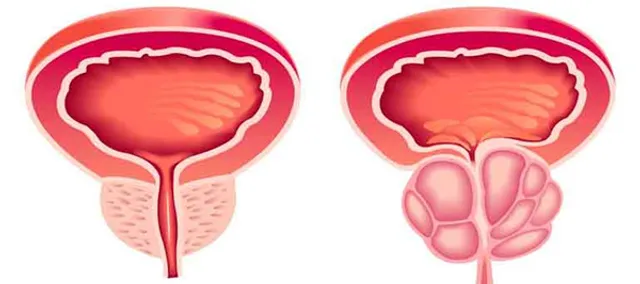
Well, within bodybuilding there are many vices and excesses; we could even say that once a competitor achieves a couple of victories, the use of androgens becomes abuse almost without them realizing it.
And many young athletes can attest that controlling their diet and training is paramount to keeping that hormonal excess under control.
But as always, seeing only one side of the story can lead to unpleasant surprises in the medium term. We're only seeing the external physical response, accompanied by some sensations of well-being or discomfort. But in reality, the average bodybuilder is immersed in a sea of chemical reactions identical to those that an endocrinologist's manual identifies as serious pathologies or syndromes, which must be addressed before they cause serious problems such as cancer.
¿But is there such a thing as bodybuilder cancer?
Okay, let's look at a specific point that most coaches and athletes largely avoid due to lack of knowledge, but also because it causes terror since it interferes with a specific concept of masculinity.
But where does this problem come from, and what is the prostate?
The prostate is a walnut-sized gland located below the bladder in men. Its main function is to produce seminal fluid, which nourishes and transports sperm during ejaculation. This fluid helps protect and activate sperm, making it essential for male fertility.

Women do not have a prostate due to differences in reproductive anatomy.
So it is exclusively present in men and is part of the male reproductive system.
Medical recommendations for prostate exams can vary, but it's generally suggested that men talk to their doctor about getting tested starting at age 50, or earlier if they have risk factors. In the case of androgen use, it's advised after the first five years of cycles. This isn't very encouraging for athletes who start very young. (Juniors as young as 21, using cycles of more than 500 mg of a substance per week, are already candidates for prostate exams at age 26—crazy, isn't it?)
The examination may include a digital rectal exam to assess the prostate gland and, in some cases, blood tests for prostate-specific antigen (PSA).
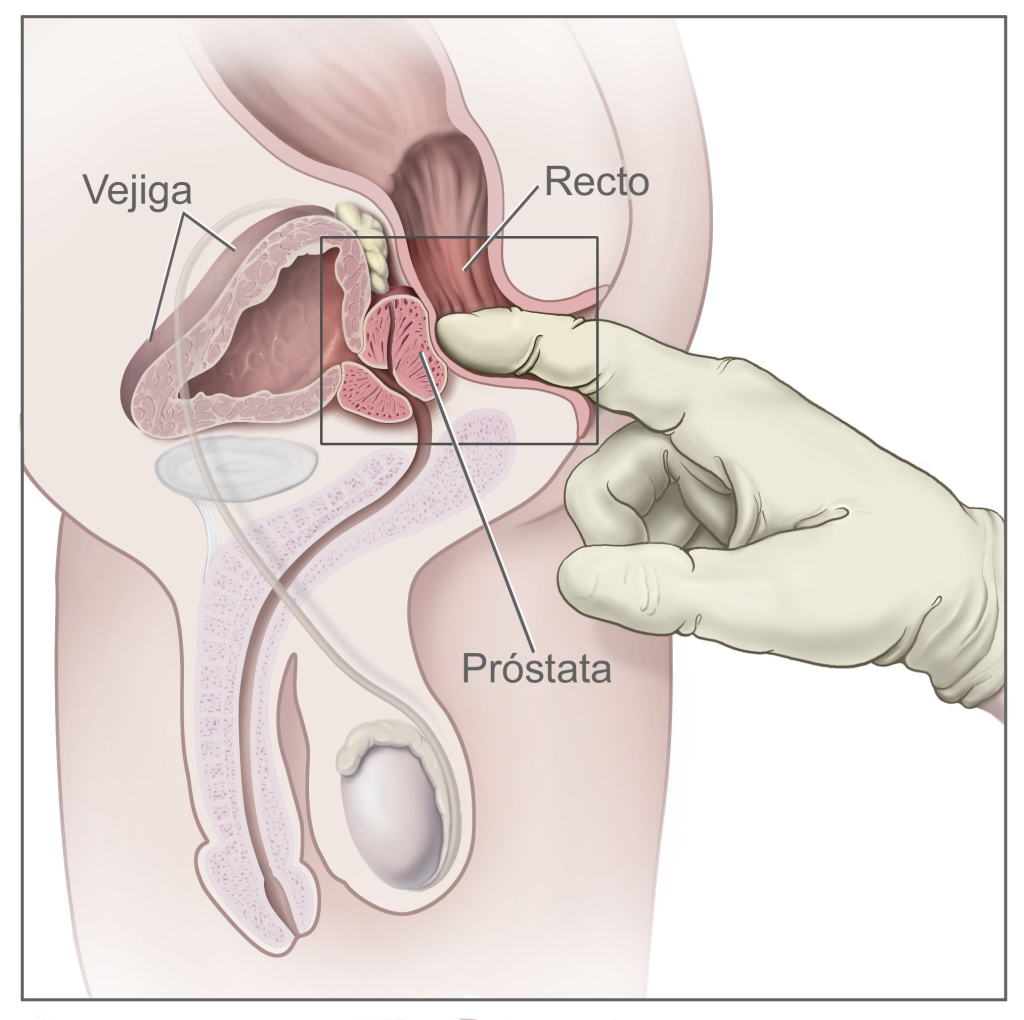
However, the digital rectal exam is not the biggest problem…
In case the fear of the examination is overcome but any hardening or swelling is present, further analysis will be carried out to determine the possible levels of damage caused by the use of androgens (Testosterone, Masteron, Nandrolone, etc.).
The first thing the patient will experience is the mandatory intervention of medications to suppress their androgen levels. And of course, many more to prevent total organ failure. By this, we mean that the organ may be slightly inflamed or even completely deformed, presenting a tumor, or, at an accelerated pace, undergo irreversible destruction and, consequently, complete organ failure, as in the case of cancer.
If this first measure seems too aggressive, in the event that you show any indication of cancer, the expectation for recovery from treatment is not encouraging, and at the very least you will have to understand that your muscles are the last thing you will be able to show off competitively from now on.
That's why I recommend that whenever you finish a process involving a significant increase in androgens, you schedule a consultation for prostaglandin reduction therapy and a basic prostate treatment.

I'll see you in the office, champ! Long live the cycle!
10Sea
 25Jul
25Jul
 by bounesclow
138
Comments Off on Clenb en el Fisicoculturismo: Beneficios y Dosificación Recomendada
by bounesclow
138
Comments Off on Clenb en el Fisicoculturismo: Beneficios y Dosificación Recomendada
 26Sep
26Sep
 18Oct
18Oct
 14Dec
14Dec