



The Importance of Fiber in Our Diet: Benefits and Recommendations
In the quest for a balanced diet, we often overlook a crucial component: fiber. While it may not be as glamorous as certain trendy nutrients, its role in promoting health and well-being should not be underestimated. Dietary fiber, essential for the optimal functioning of the digestive system, offers a multitude of benefits that extend far beyond simple bowel regularity. Here, we explore why fiber is a fundamental piece of the puzzle for a healthy diet and how to effectively incorporate it into our daily routine.
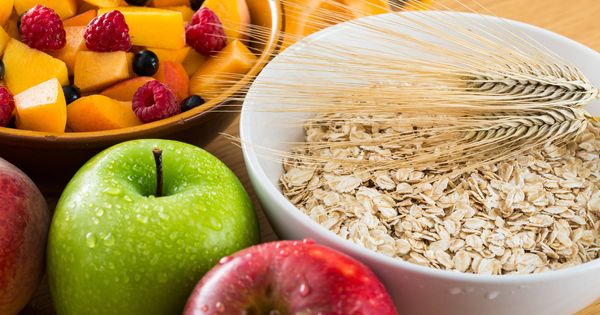
What is fiber and why is it important?
Dietary fiber, found in plant-based foods such as fruits, vegetables, whole grains, legumes, nuts, and seeds, comprises the components of plants that our bodies cannot digest or absorb. Although it does not provide nutrients directly, it plays an essential role in promoting health and preventing disease.
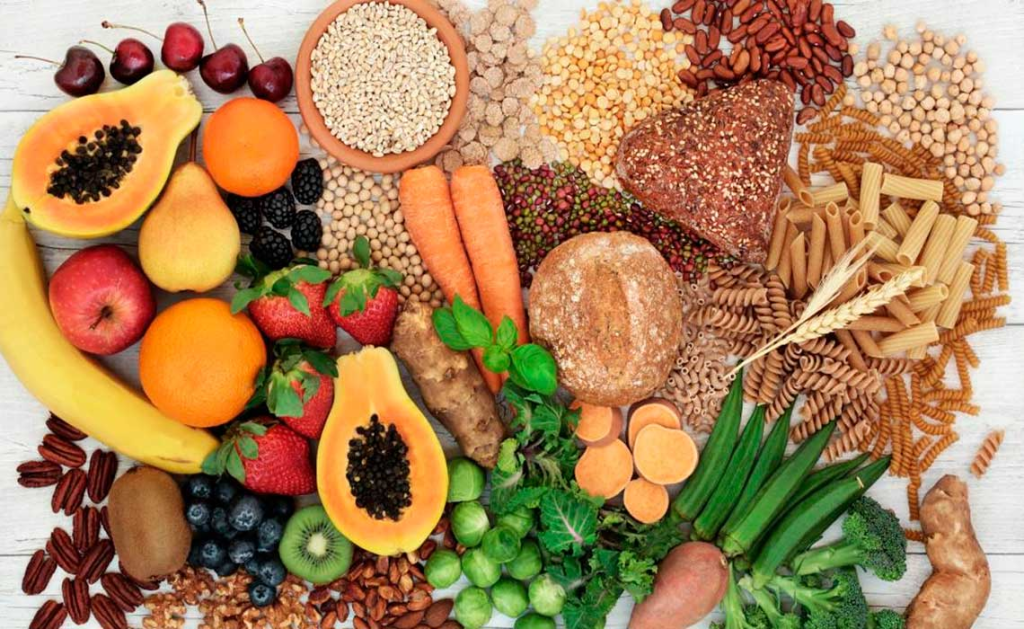
Key health benefits of fiber:
Healthy digestion: Fiber promotes bowel regularity by preventing constipation and maintaining stool consistency.
Weight control: Foods high in fiber tend to be more satisfying and can help control appetite, which can contribute to effective weight management.
Blood sugar control: Fiber slows down the absorption of sugar, which can prevent drastic spikes in blood sugar levels and help control diabetes.
Cardiovascular health: Consuming adequate amounts of fiber has been linked to a reduced risk of heart disease and high blood pressure.
Gut health: Some forms of fiber act as prebiotics, encouraging the growth of beneficial gut bacteria that promote intestinal health.
What happens if we don't consume enough fiber?
Omitting fiber from your diet can have detrimental effects on your health in both the short and long term. Here are some potential consequences of insufficient fiber intake:
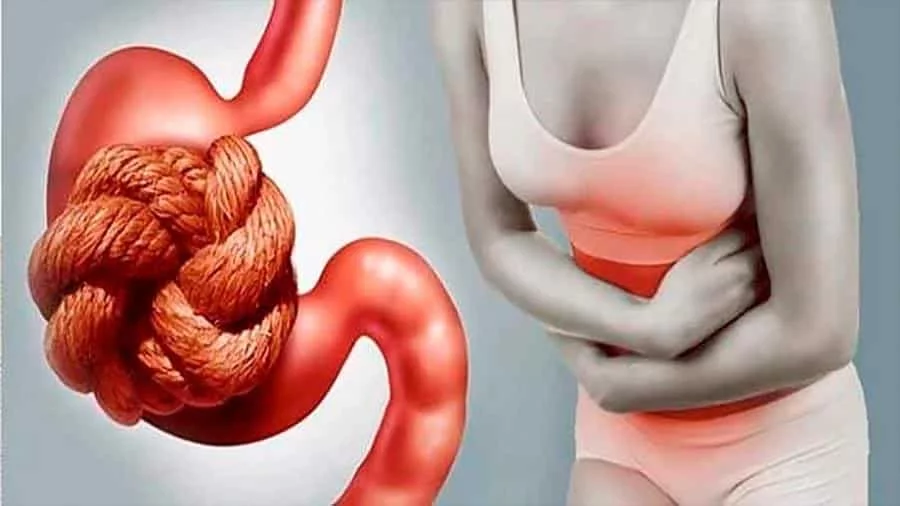
Digestive problems: A lack of fiber can lead to digestive problems such as constipation, hemorrhoids, and irritable bowel syndrome (IBS), which can result in discomfort and abdominal pain.
Weight gain: A lack of fiber can lead to unwanted weight gain, as fiber-rich foods tend to be more satiating, helping to control appetite and regulate food intake.
High cholesterol levels and cardiovascular risk: A low-fiber diet can contribute to increased LDL cholesterol ("bad" cholesterol) and raise the risk of cardiovascular diseases, such as heart attacks and strokes.
Intestinal problems and imbalanced microbiota: A lack of fiber can cause imbalances in the gut microbiota, which in turn can affect overall health and immune function.
Higher risk of chronic diseases: Research has suggested that inadequate fiber intake may increase the risk of developing chronic diseases such as type 2 diabetes, cardiovascular disease, and certain types of cancer.
Incorporate fiber into your diet: A step towards a healthier lifestyle
Given the importance of fiber in maintaining health and well-being, it is essential to prioritize its inclusion in our daily diet. By choosing a variety of fiber-rich foods and following a balanced diet, we can ensure a healthy digestive system and reduce the risk of serious long-term health complications.
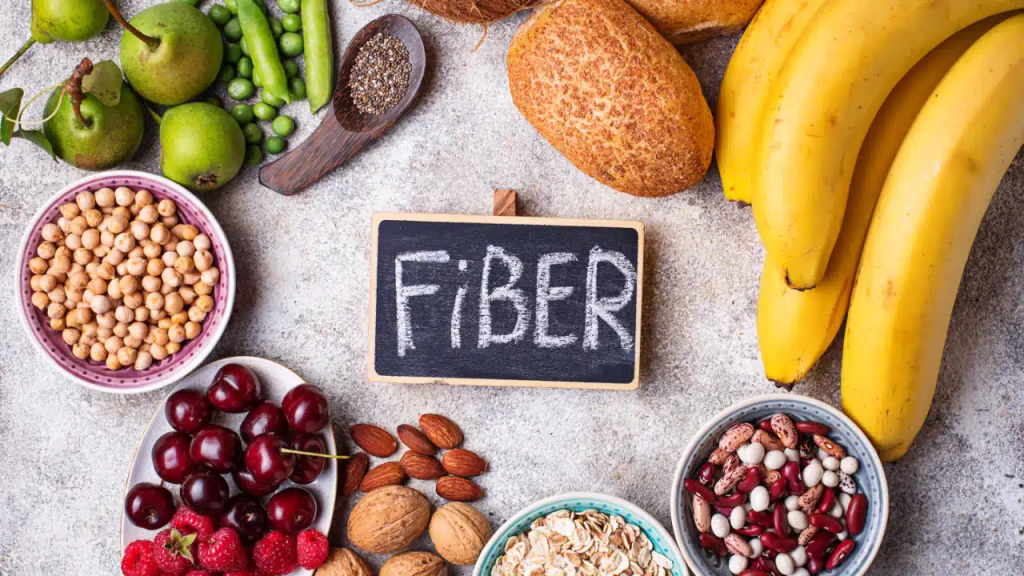
Recommendations for incorporating fiber into the diet
To get the optimal benefits of fiber, it's essential to incorporate a variety of fiber-rich foods into your daily diet. Here are some guidelines for increasing your fiber intake:
Fruits and vegetables: Prioritize fresh fruits and leafy green vegetables, as well as other colorful vegetables for a variety of nutrients and fiber.
Whole grains: Opt for whole grains such as brown rice, wholemeal bread, oats, and quinoa to increase your fiber intake.
Legumes and beans: Incorporate legumes such as lentils, chickpeas, and beans into meals for an additional source of fiber and protein.
Nuts and seeds: Consume nuts and seeds such as almonds, walnuts, chia seeds, and flax seeds for a concentrated source of fiber and healthy fatty acids.
Healthy foods rich in fiber
To ensure adequate fiber intake, it's essential to incorporate a variety of healthy foods into your diet. Here are some specific examples of foods that are naturally high in fiber and also provide a wide range of essential nutrients for athletes and active people:
Fruit:
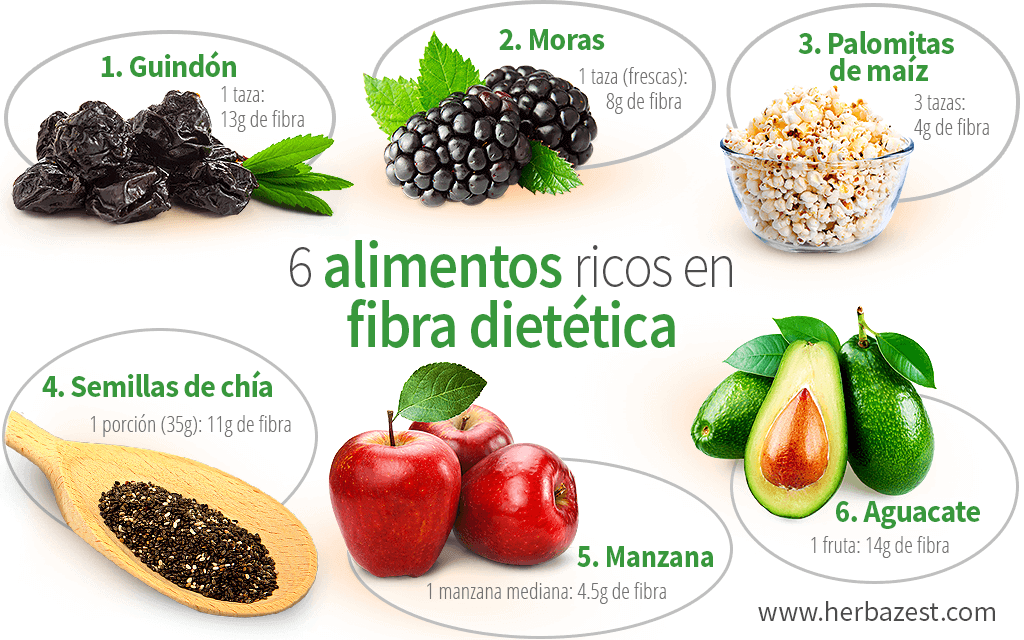
Apples: A medium apple with skin provides approximately 4 grams of fiber.
Pears: A medium pear contains about 5.5 grams of fiber.
Raspberries and blackberries: A cup of raspberries or blackberries provides about 8 grams of fiber.
Vegetables:
Broccoli: One cup of cooked broccoli contains approximately 5 grams of fiber.
Spinach: One cup of cooked spinach provides about 4 grams of fiber.
Carrots: A cup of chopped raw carrots has about 4 grams of fiber.
Whole grains:
Oatmeal: One cup of oatmeal provides about 4 grams of fiber.
Brown rice: One cup of cooked brown rice contains approximately 4 grams of fiber.
Quinoa: A cup of cooked quinoa contains about 5 grams of fiber.
Legumes and beans:
Lentils: One cup of cooked lentils provides approximately 15.5 grams of fiber.
Chickpeas: One cup of cooked chickpeas contains about 12.5 grams of fiber.
Black beans: A cup of cooked black beans has about 15 grams of fiber.
Nuts and seeds:
Almonds: One ounce (approximately 23 almonds) provides about 3.5 grams of fiber.
Chia seeds: One ounce of chia seeds provides approximately 10 grams of fiber.
Flax seeds: Two tablespoons of ground flax seeds contain about 4 grams of fiber.
Incorporating these foods into your daily diet can help athletes and active people meet their fiber needs and obtain a variety of essential nutrients for optimal performance and improved overall health.
In summary, dietary fiber plays a crucial role in promoting overall health and well-being. By incorporating a variety of fiber-rich foods into our diet, we can maintain a healthy digestive system and reduce our risk of chronic diseases. Don't underestimate the power of fiber: it's the cornerstone of a balanced diet and a healthy lifestyle.
Gorillas, orangutans, bonobos, and chimpanzees are fascinating creatures, not only because of their close genetic relationship to humans, but also because of their impressive strength,...
by bounesclow84Comments Off on No comas como un GORILA
Introduction The recovery phase is a fundamental but often neglected aspect of bodybuilding. Making the most of this period can make all the difference...
by bounesclow111Comments Off on 5 Consejos para Maximizar el Crecimiento Muscular en la Etapa de Recuperación