


 10Sea
10Sea
Blog
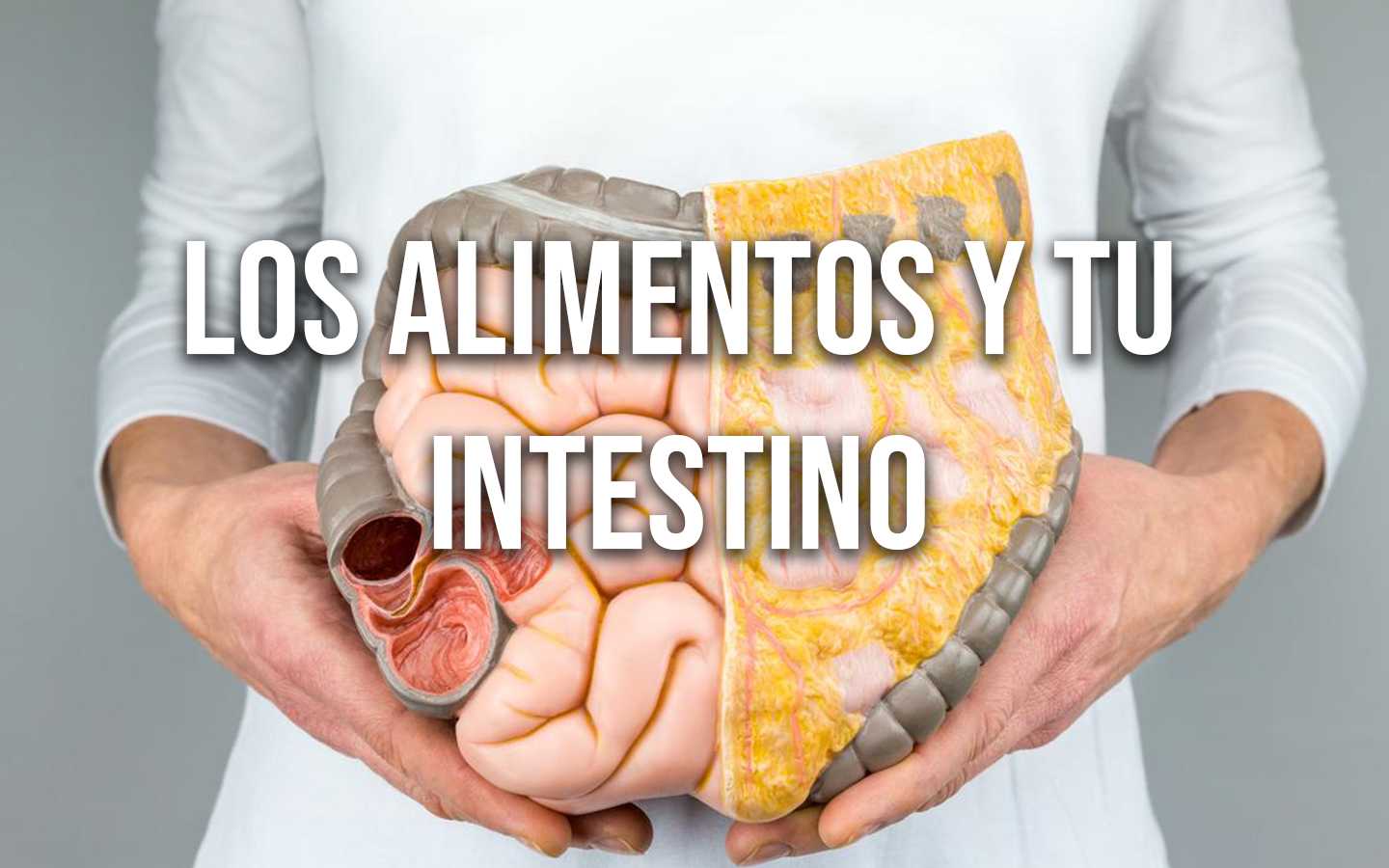
Food and your gut.
Have you ever wondered which foods affect your gut? Here we explain the importance of our diet and the functions our gut performs...
The effort and dedication invested in physical training are often accompanied by an unwelcome guest: delayed onset muscle soreness (DOMS). This pain, which can manifest hours or even days after an intense session, can challenge motivation and consistency on the path to physical improvement. However, instead of viewing pain as a barrier, we can address it with specific techniques that not only alleviate discomfort but also accelerate muscle recovery. In this article, we'll explore effective strategies for treating post-workout muscle soreness, providing practical tools to maximize the effectiveness of your recovery routine and allow you to approach each workout with confidence.
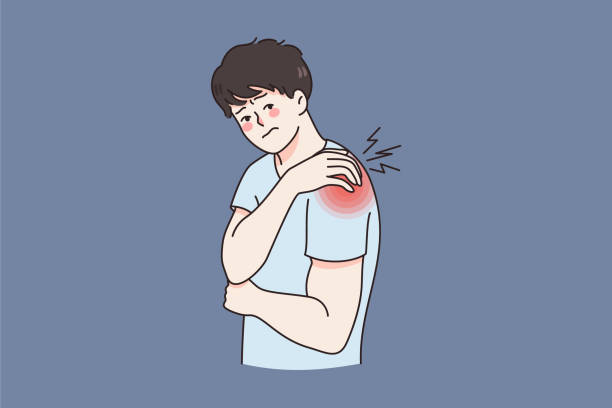
Stretching and improving flexibility are fundamental elements in the search for relief from post-workout muscle soreness. When we engage in intense physical activity, our muscles experience strain and micro-tears. Incorporating static stretching routines at the end of your training session can make all the difference.
How does it work?
Practical Tips:
By incorporating these stretches into your recovery regimen, you'll be taking significant steps toward reducing muscle soreness and promoting long-term musculoskeletal health.

Therapeutic massages are an effective strategy for releasing accumulated muscle tension and accelerating the recovery process after an intense workout. Whether through professional sessions or by using specific tools such as foam rollers or lacrosse balls, massages can make a significant difference in reducing muscle soreness and improving overall well-being.
How does it work?
Practical Tips:
By integrating therapeutic massage into your recovery routine, you'll be giving your muscles the attention they need to maintain flexibility, reduce pain, and improve the effectiveness of your future workouts.

Applying compression and elevating the affected areas are simple yet effective techniques for reducing swelling and improving blood circulation. These strategies can be implemented after an intense workout, especially if significant strain has been placed on specific areas of the body.
How does it work?
Practical Tips:
Integrating these techniques into your recovery regimen not only relieves swelling and improves circulation, but also helps accelerate muscle recovery, allowing you to return to your training more quickly and effectively.
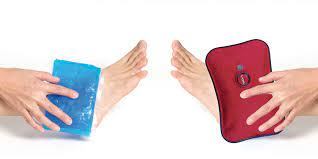
The strategic application of hot and cold therapy is a classic and powerful technique for relieving muscle pain, reducing inflammation, and improving flexibility. When used properly and sequentially, this therapy can be a valuable aid in your post-workout recovery process.
How does it work?
Practical Tips:
By using cold and heat therapy sequentially, you can significantly improve muscle recovery, relieve pain, and prepare your muscles for future training challenges.
Stay properly hydrated to eliminate toxins and make sure you follow a balanced diet that includes protein, carbohydrates, and healthy fats to support muscle recovery.
Rest is essential, but active rest, such as walking or gentle yoga, stimulates circulation without putting too much pressure on tired muscles.
Effective management of post-workout muscle soreness is not only essential for alleviating discomfort, but also plays a crucial role in promoting a rapid and sustainable recovery. By incorporating specific strategies into your recovery routine, you can maximize the benefits of each training session and maintain peak performance over time.
From stretching and flexibility exercises that promote circulation to therapeutic massages that release muscle knots, each technique addresses specific aspects of recovery. Compression and elevation, by reducing swelling, and hot and cold therapy, by providing a therapeutic dance for the muscles, add layers of care that contribute to overall well-being.
It's crucial to remember that there's no one-size-fits-all approach. Actively listening to your body's signals and adapting these techniques to your individual needs are key. Furthermore, consistency in applying these strategies will contribute to a gradual improvement in endurance, flexibility, and muscular strength.
On your journey to physical excellence, consider these techniques not just as pain relief tools, but as indispensable allies that will allow you to embrace each workout with renewed vitality. By adopting a holistic approach to recovery, you'll be building not only strong muscles, but also a solid foundation for your long-term well-being. Onward and upward on your fitness journey!
10Sea
 25Jul
25Jul
 by bounesclow
140
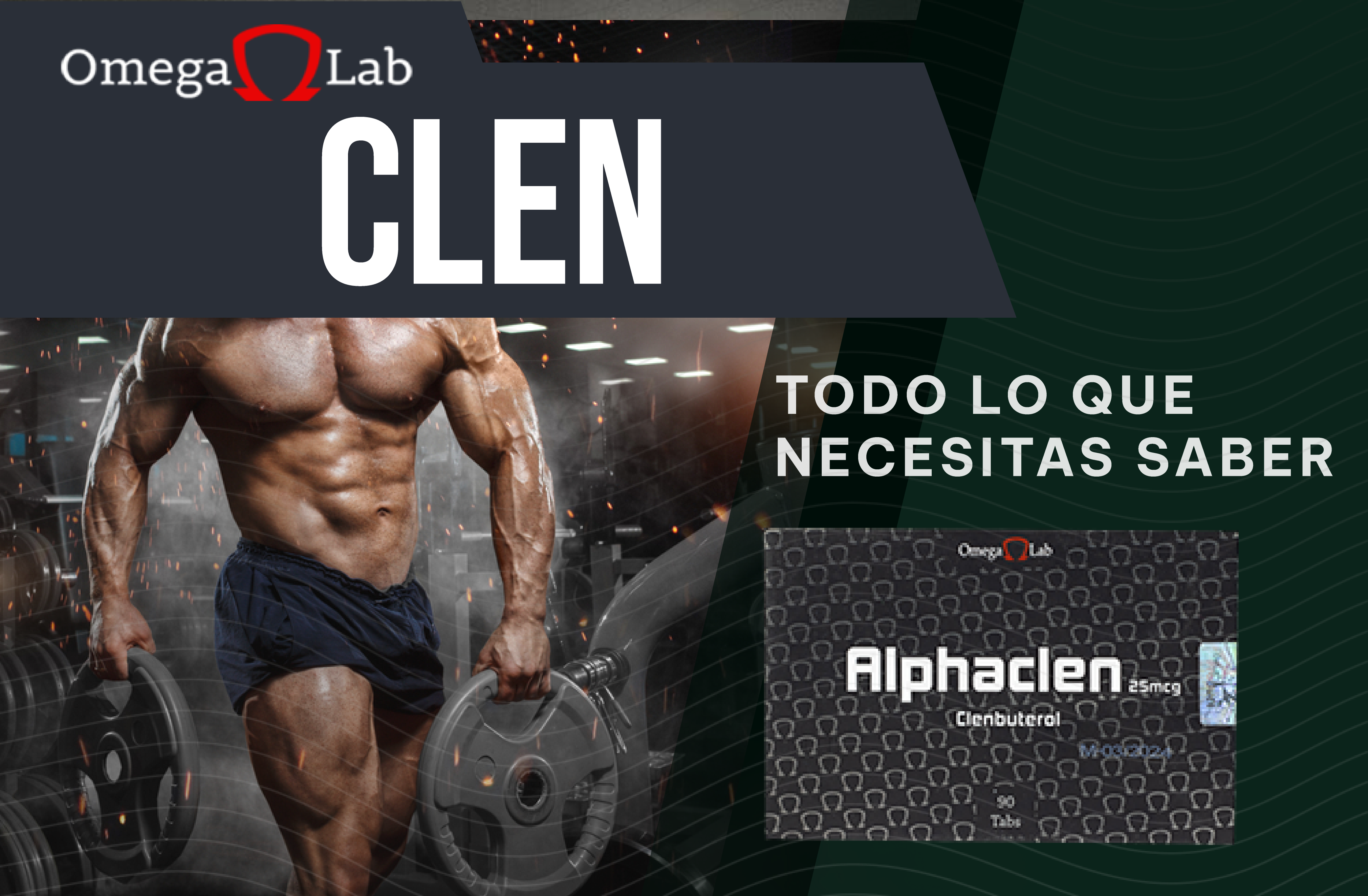
Comments Off on Clenb en el Fisicoculturismo: Beneficios y Dosificación Recomendada
by bounesclow
140
Comments Off on Clenb en el Fisicoculturismo: Beneficios y Dosificación Recomendada
 26Sep
26Sep
 18Oct
18Oct
 06Dec
by bounesclow
119
Comments Off on Potencia tu Rendimiento: Los Mejores Pre-Entrenamientos Naturales para Deportistas
06Dec
by bounesclow
119
Comments Off on Potencia tu Rendimiento: Los Mejores Pre-Entrenamientos Naturales para Deportistas