


 10Sea
10Sea
Blog
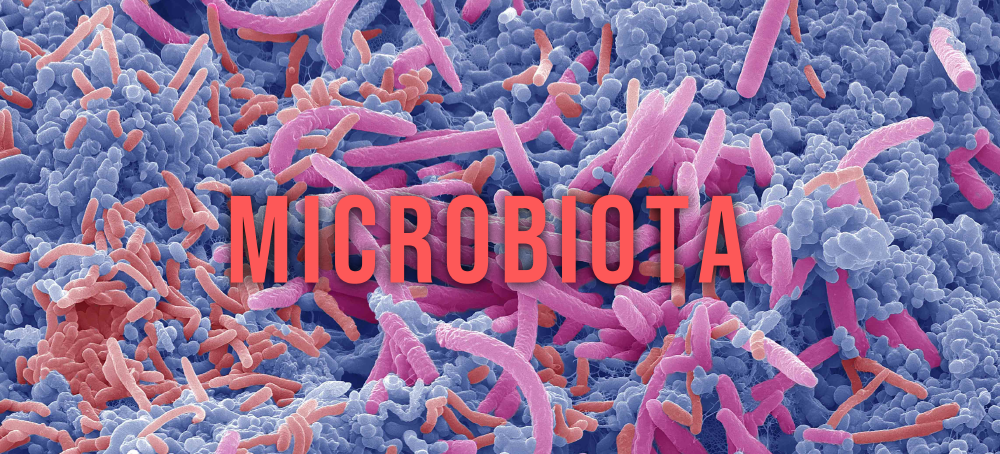
Food and your gut.
Have you ever wondered which foods affect your gut? Here we explain the importance of our diet and the functions our gut performs...
Muscle hypertrophy is a term we frequently hear in the fitness and bodybuilding world, but what does it really mean? Simply put, muscle hypertrophy refers to the process of increasing the size of muscle fibers. For many, this is the central goal when embarking on a strength and endurance training program. In this article, we'll explore in depth what muscle hypertrophy is, how it works, and how you can leverage it to transform your body.

Muscle hypertrophy is the process by which muscle fibers increase in size in response to the mechanical stress caused by resistance exercise. When you lift weights or perform resistance exercises, your muscles experience micro-tears in the muscle fibers. The body responds to these tears by repairing and strengthening the affected fibers, resulting in an increase in their size and strength.


To achieve muscle hypertrophy, it's essential to design an effective training program. This includes compound exercises like squats, bench presses, and deadlifts, which work multiple muscle groups simultaneously. You should also vary your routine and focus on different muscle groups on different days to prevent adaptation.

The number of sets and repetitions is also crucial. A common approach to hypertrophy is to perform 3-5 sets of 8-12 repetitions per exercise, with a weight that is challenging enough to complete the repetitions, but not so heavy that proper form is compromised.

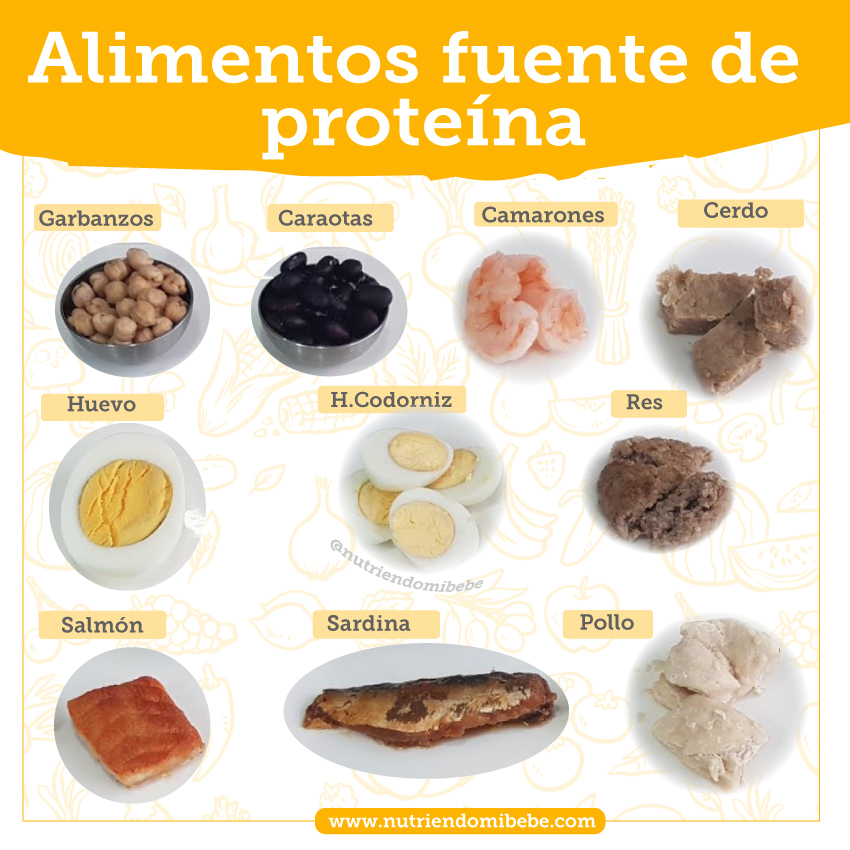
Your diet plays a vital role in the hypertrophy process. You must consume enough calories to maintain and build muscle. Protein is especially important, as it provides the amino acids necessary for muscle repair and growth. It's also crucial to stay hydrated and get a variety of nutrients from carbohydrates and healthy fats.
Don't underestimate the importance of rest and recovery on your journey to muscle hypertrophy. Muscle grows during the recovery phase, so be sure to give your body the necessary time to recover between intense training sessions. Quality sleep is essential for optimal recovery.

Muscle hypertrophy is a fascinating process that allows people to transform their bodies through resistance training and proper nutrition. By understanding the key principles and applying them consistently, you can achieve a significant increase in muscle size and strength. Remember that hypertrophy takes time and patience, but the results are worth it. So go ahead, work hard, and build the strong, defined body you've always wanted!
 10Sea
10Sea
 25Jul
25Jul
 by bounesclow
93
Comments Off on Clenb en el Fisicoculturismo: Beneficios y Dosificación Recomendada
by bounesclow
93
Comments Off on Clenb en el Fisicoculturismo: Beneficios y Dosificación Recomendada
 26Sep
26Sep
 23Oct
23Oct
 14Dec
14Dec