


CARNITINE AND PREGNANCY Strengthen your baby from pregnancy.
joseomegamaster tells us about the many benefits of L-Carnitine, especially for pregnant women.
In recent years, we have heard about the many benefits of L-carnitine. It began to be used by athletes for weight loss and to improve fat metabolism, but over time it was discovered that it has a beneficial effect during pregnancy, specifically on the health of the unborn baby. There are studies that have linked it to improved fetal weight, especially when intrauterine growth restriction has been diagnosed. Important studies have also linked it to protection against certain types of autism, especially those related to mutations in a specific gene called TMLHE.
L-Carnitine is a transporter of fat to the mitochondria, helping to reduce oxidative stress by converting fat into energy. There are two forms of L-Carnitine: L-Carnitine and D-Carnitine. Both are produced during the synthesis of Carnitine, but only the L-form is biologically active. It is considered a dietary supplement by the U.S. Food and Drug Administration (FDA).

Another population that benefits from L-carnitine supplementation includes pregnant women following vegetarian or meat-restricted diets, whose intake may be inadequate to meet their nutritional needs during pregnancy. L-carnitine has a beneficial effect on fetal growth in mothers with hypertensive disorders, promoting energy supply and reducing oxidative stress, a key mechanism in these disorders. To date, no adverse effects on the mother or fetus have been demonstrated.
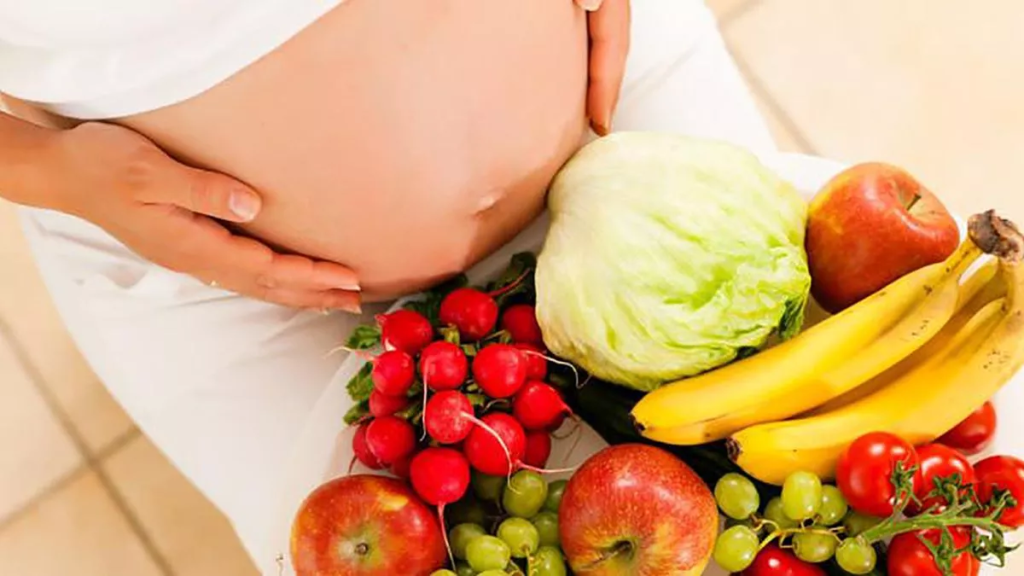
Intrauterine growth restriction (IUGR) is the second leading cause of fetal death worldwide. It is also associated with increased postpartum morbidity, stunted physical growth, impaired intellectual development, and a higher likelihood of developing hypertension, cardiovascular disease, or diabetes in adulthood. This is due to intrauterine fetal programming secondary to IUGR. L-carnitine should be administered concurrently in hypertensive disorders of pregnancy to prevent IUGR and its associated complications.
L-carnitine is absorbed directly from food sources such as meat, avocado, and dairy products; however, deficiencies can sometimes occur during pregnancy, requiring supplementation. This is because there is a greater demand during this period, as the mother must provide this nutrient to the fetus in addition to her own personal requirements. During pregnancy, a decrease in carnitine levels has been observed, up to 501% of total carnitine, especially in the last trimester. Since this nutrient has been established as having an important effect on heart formation during embryogenesis and fetal maturation, it is important to prescribe it in some cases where there is a risk of preterm birth.
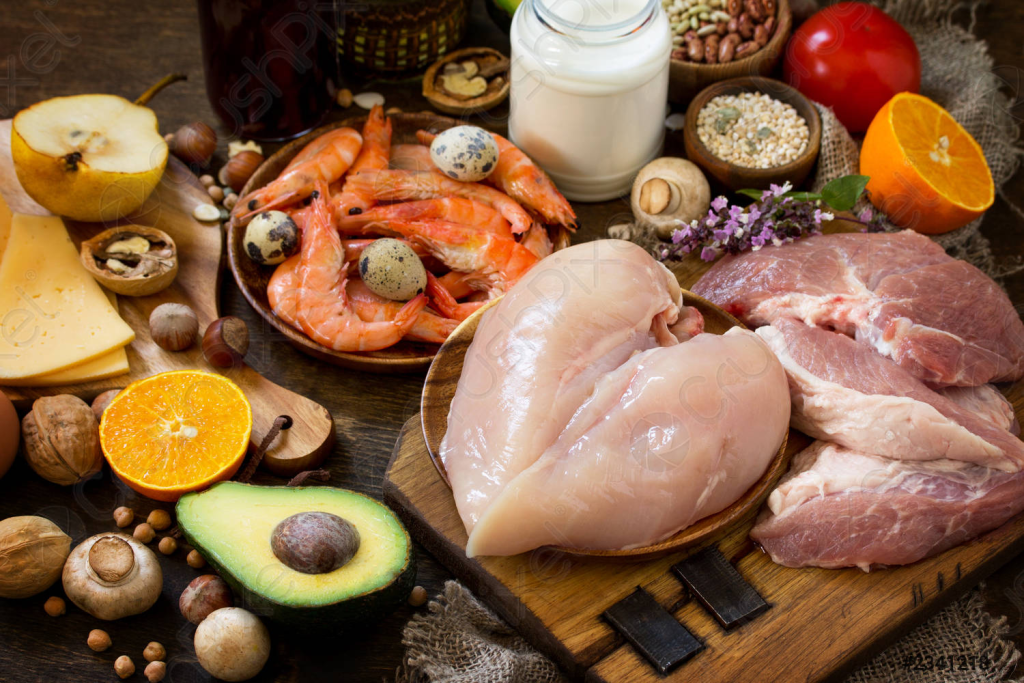
In summary: L-carnitine is important for energy synthesis from fats. During pregnancy, requirements increase. If there is a risk of preterm labor, if we want to promote the maturation of the central nervous system, cardiac and pulmonary maturation in the fetus, or if we wish to reduce intrauterine growth restriction associated with preeclampsia, supplementing the pregnant woman with a dose of 1 gram two or three times a day can become a desirable option.
-
 LC: L-carnitine14.95USD
 14Jul
14Jul
Deca: Uso, beneficios y consideraciones para el fisicoculturismo y la salud
 by bounesclow
20
Comments Off on Deca: Uso, beneficios y consideraciones para el fisicoculturismo y la salud
by bounesclow
20
Comments Off on Deca: Uso, beneficios y consideraciones para el fisicoculturismo y la salud
Oxi: Impulsando el Rendimiento en Fisicoculturismo (ANADROL)
 21Sep
21Sep
¿Cómo Saber si Necesitas Más Magnesio en tu Cuerpo?
 16Oct
16Oct
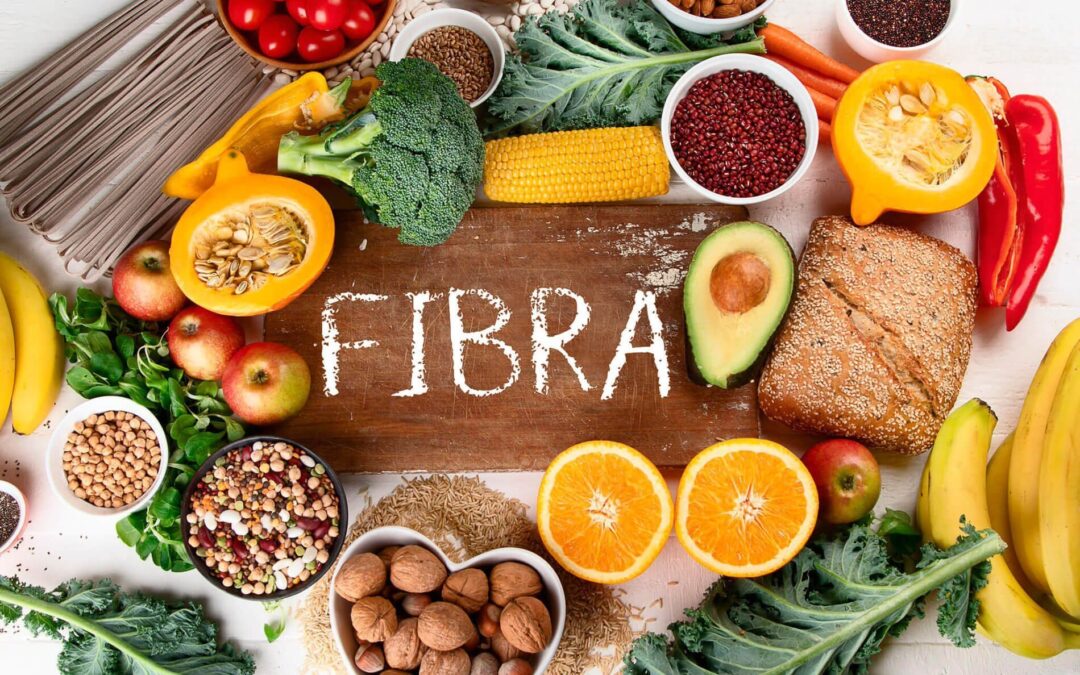
La Importancia de la Fibra en Nuestra Alimentación: Beneficios y Recomendaciones
by bounesclow
19
Comments Off on La Importancia de la Fibra en Nuestra Alimentación: Beneficios y Recomendaciones
 09Nov
09Nov