


Modern life often subjects us to stressful situations, from tight work deadlines to strained personal relationships. In times like these, it's common to turn to food as an escape. However, it's crucial to understand whether we're experiencing true physical hunger or eating in response to anxiety. In this article, we'll explore the differences between emotional hunger and "physical" hunger and provide strategies for managing the tendency to eat due to anxiety.

Eating due to anxiety: A common habit in stressful times
Imagine facing a crucial deadline at work or dealing with stress in your personal life. Even though you've eaten breakfast and are aware of the risks of sugar, you're tempted to devour pastries in an office meeting. You're not hungry, but anxiety drives you to keep eating. If this situation sounds familiar, you may be among those who turn to food to soothe their nerves.
Anxiety, whether caused by acute stressful situations or chronic conditions like generalized anxiety disorder, can trigger the urge to eat even when you're not truly hungry. This habit, while sometimes harmless, can lead to unwanted weight gain and negative feelings, such as guilt.

Distinguishing between emotional hunger and physical hunger
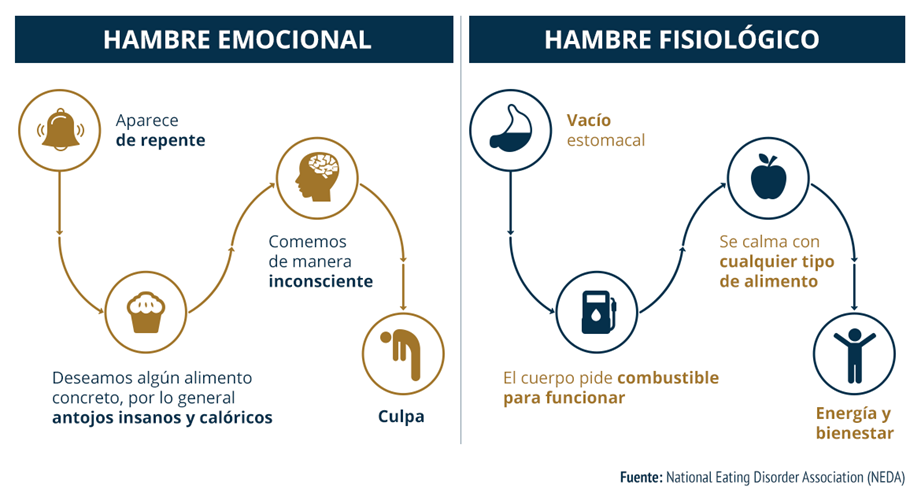
It's crucial to learn to differentiate between emotional hunger and "physical" hunger to effectively address this problem. Here are some key points to distinguish between them:
- Emotional hunger is always present: Unlike physical hunger, which arises periodically to meet energy needs, emotional hunger can appear at any time, regardless of when your last meal was.
- Emotional hunger is never satisfied: While the body knows when to stop eating due to physical hunger, emotional hunger tends to drive eating beyond satiety, generating a feeling of continuous dissatisfaction.
- Emotional hunger has specific cravings: Unlike physical hunger, which seeks various foods to replenish energy, emotional hunger tends to trigger cravings for unhealthy foods, often associated with chemical properties that induce feelings of relaxation.
- Anxiety causes feelings of guilt: Feelings of guilt or shame often arise after eating due to anxiety rather than physical hunger. Furthermore, food choices made under stress tend to be high in sugar, exacerbating anxiety.

The role of emotions and short-term strategies
Anxiety disorders affect millions of adults each year, and addressing the underlying causes is crucial to preventing emotional eating. Cognitive therapy, meditation, and exercise are effective approaches, but they take time. While you work on overcoming anxiety long-term, here are some short-term strategies to help you stop eating due to anxiety:
- Cultivate better eating habits: Eating small meals every 3-4 hours can prevent overeating. Opt for healthy snacks instead of junk food to maintain stable blood sugar levels.
- Limit your consumption of alcohol, caffeine, and tobacco: These elements can contribute to anxiety, so reducing your intake may be beneficial.
- Keep a food diary: Recording eating habits and associated emotions can reveal patterns and facilitate changes to unwanted behaviors.
- Be kind to yourself: Avoid punishing yourself for poor food choices. Focus on developing a healthier relationship with food, concentrating on managing anxiety.
Food is one of life's pleasures, but it's up to us not to let it become a refuge for our worries. By learning to recognize and address emotional eating, we can cultivate a healthier relationship with food and improve our quality of life.
 14Jul
14Jul
Deca: Uso, beneficios y consideraciones para el fisicoculturismo y la salud
 by bounesclow
22
Comments Off on Deca: Uso, beneficios y consideraciones para el fisicoculturismo y la salud
by bounesclow
22
Comments Off on Deca: Uso, beneficios y consideraciones para el fisicoculturismo y la salud
Oxi: Impulsando el Rendimiento en Fisicoculturismo (ANADROL)
 21Sep
21Sep
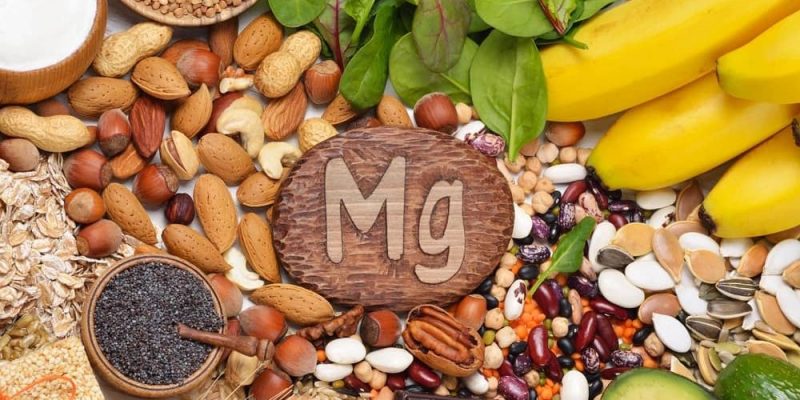
¿Cómo Saber si Necesitas Más Magnesio en tu Cuerpo?
 16Oct
16Oct
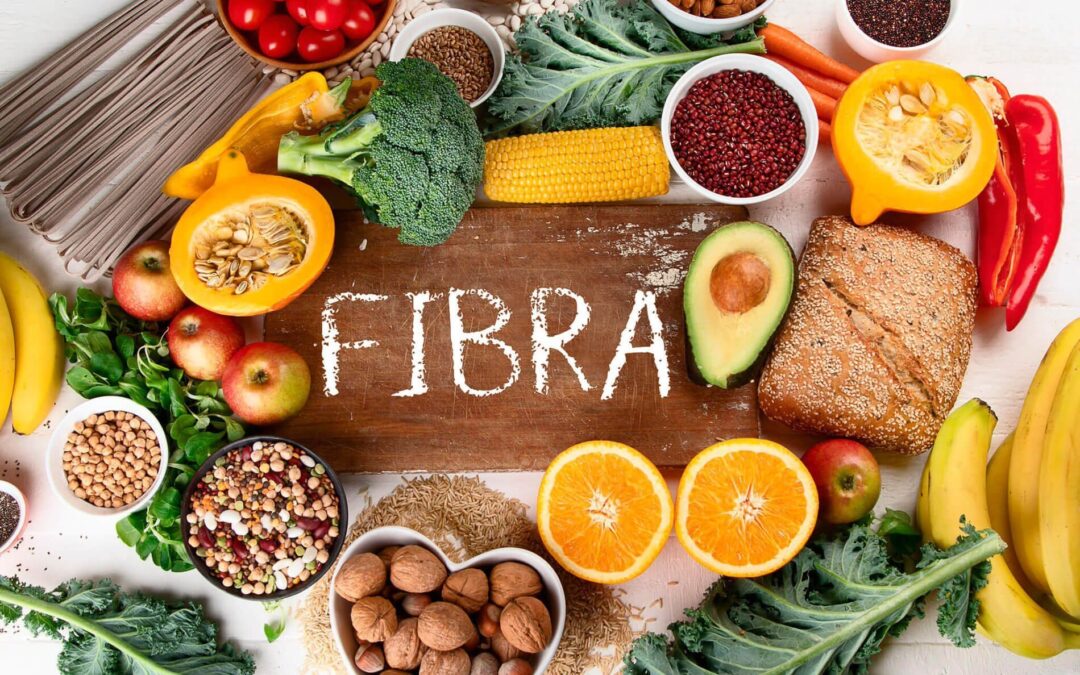
La Importancia de la Fibra en Nuestra Alimentación: Beneficios y Recomendaciones
by bounesclow
21
Comments Off on La Importancia de la Fibra en Nuestra Alimentación: Beneficios y Recomendaciones
 09Nov
09Nov