


 14May
14May
Blog
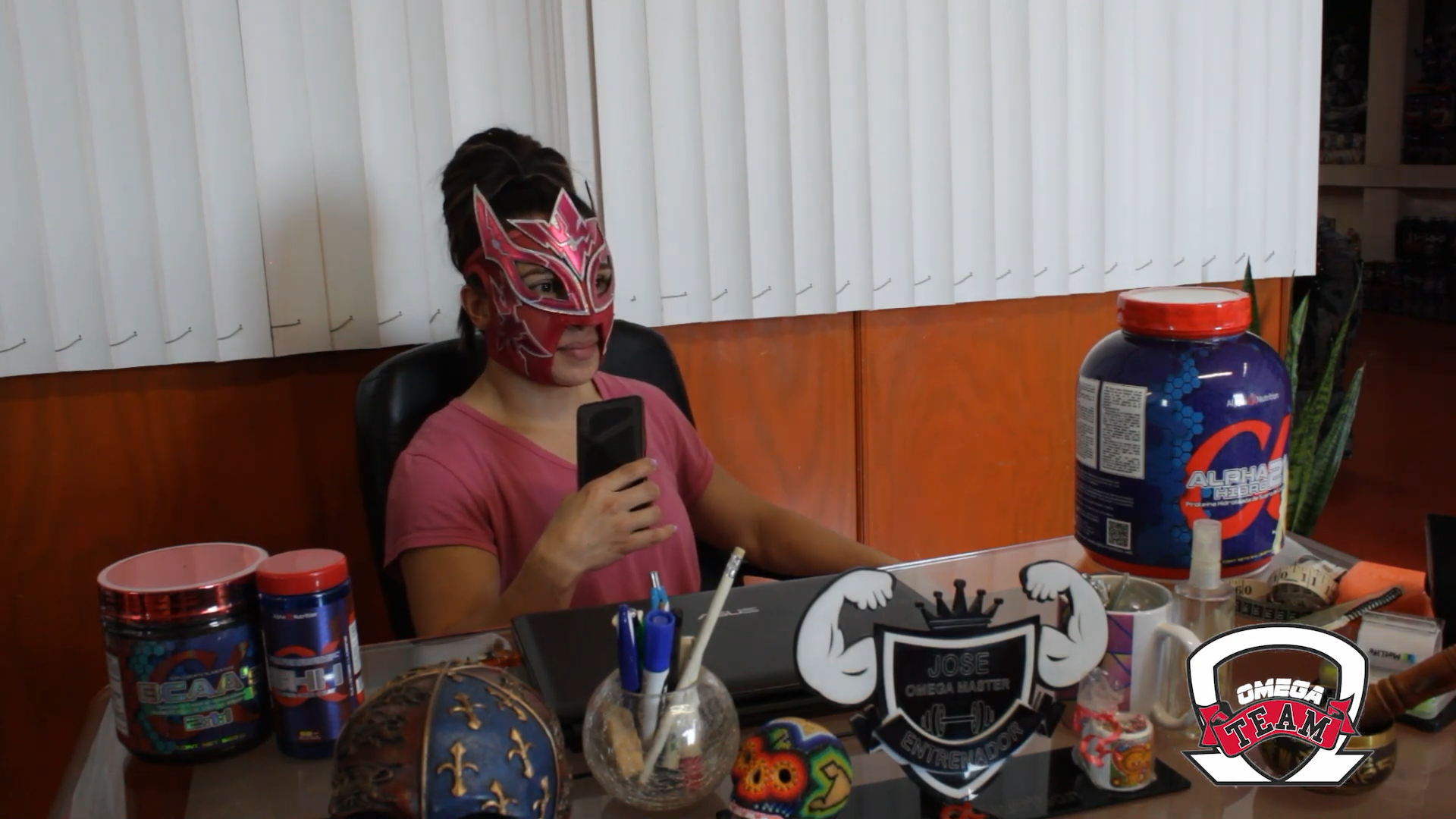
CMLL's Lluvia talks about his time in Omega Team
CMLL wrestler Lluvia tells us about her journey with Omega Team, from how she changed her life habits to...
Strength training is an essential component of any fitness program. It helps build muscle, improve endurance, and increase strength. However, how often you should train a specific muscle group is a question that often confuses many fitness enthusiasts. In this article, we'll delve into the fundamental principles behind training frequency and how you can tailor your routines for optimal results.

Before we get into the specifics of how long you should rest between workouts, it's crucial to understand why muscle rest is so essential. During strength training, your muscle fibers undergo stress and micro-tears. This might sound negative, but it's actually part of the strengthening process. When you rest, your muscles repair and grow, resulting in improved performance and increased muscle size.
However, insufficient rest can be detrimental. It can lead to overtraining, decreased performance, and even injuries. On the other hand, waiting too long between sessions can slow your progress. So, how can you determine the optimal training frequency?
The answer to this question isn't one-size-fits-all. Several factors can influence how long you should wait before training a muscle again:
While the optimal training frequency may vary depending on these factors, here are some general guidelines you can follow:
Feeding:
In short, adequate rest and balanced nutrition are essential for muscle growth and recovery. A holistic approach that includes exercise, quality sleep, and a proper diet will help you achieve your fitness goals effectively and healthily. It's always advisable to consult with a healthcare professional or registered dietitian for recommendations tailored to your individual needs.

In short, the right training frequency is essential to maximizing your strength training gains. Giving your muscles the necessary time to recover is just as important as the workout itself. Remember that fitness progress takes time, and finding the right balance between work and rest is crucial for your long-term success. Listening to your body, adjusting your routines, and following general guidelines will help you achieve your goals safely and effectively. So, keep working hard and enjoy the physical transformation! 💪🏋️♀️
14May
 11Sep
11Sep
 04Oct
04Oct
 by bounesclow
138
Comments Off on El Uso del Stan en Fisicoculturistas: Beneficios, Efectos y Consideraciones
by bounesclow
138
Comments Off on El Uso del Stan en Fisicoculturistas: Beneficios, Efectos y Consideraciones
 01Nov
by bounesclow
161
Comments Off on Todo lo que necesitas saber sobre el Entrenamiento HIT (High-Intensity Training)
01Nov
by bounesclow
161
Comments Off on Todo lo que necesitas saber sobre el Entrenamiento HIT (High-Intensity Training)
 29Dec
by bounesclow
107
Comments Off on Alcanzando tus Metas Corporales en el 2024: Claves para Mantener la Motivación y Consistencia
29Dec
by bounesclow
107
Comments Off on Alcanzando tus Metas Corporales en el 2024: Claves para Mantener la Motivación y Consistencia