


In the world of nutrition, not all foods are created equal. There's a special category known as "functional foods" that goes beyond simply providing basic nutrients. These foods have additional properties that can positively influence our health. In this article, we'll explore what functional foods are, what they're used for, their health benefits, a comparison between canned and fresh tuna, how to start consuming them, and some key takeaways.

What are Functional Foods?
Functional foods are those that contain biologically active components that can have a positive impact on health beyond basic nutritional needs. These components can include vitamins, minerals, antioxidants, fiber, healthy fatty acids, and more.
What are functional foods used for?
Functional foods are designed to provide specific health benefits, such as improving immune system function, reducing the risk of chronic diseases, promoting healthy digestion, and more. Instead of simply filling the stomach, these foods actively work to improve our overall well-being.
Health Benefits
Functional foods can offer a wide range of health benefits. Some examples include:
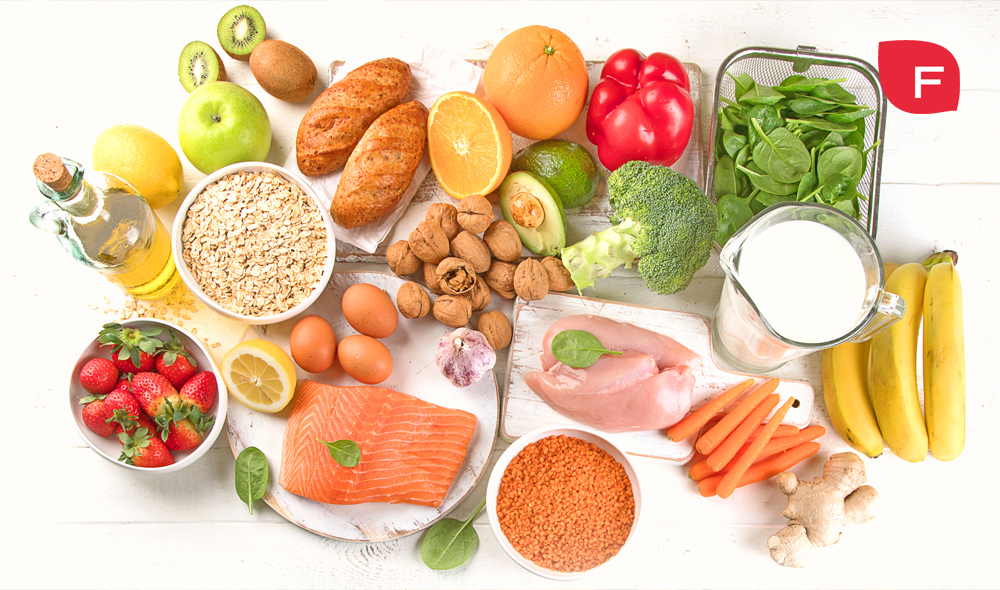
- Immune BoosterFoods rich in antioxidants, such as berries and broccoli, can strengthen the immune system, helping to fight disease.
- Digestive HealthFoods high in fiber, such as oats and probiotic yogurt, promote healthy digestion and can relieve gastrointestinal problems.
- Reduction of the Risk of Chronic DiseasesSome functional foods, such as olive oil and fatty fish, may help reduce the risk of heart disease and type 2 diabetes.
- Improving Mental HealthFoods rich in omega-3 fatty acids, such as salmon, can contribute to mental health and reduce the risk of depression.
How to Start Eating Functional Foods
- EducationStart by educating yourself about functional foods and their benefits. Identify which ones are best suited to your needs and health goals.
- Gradual IncorporationThere's no need to make a drastic change to your diet right away. Start by gradually incorporating functional foods into your daily meals.
- VarietyMaintain a balanced and varied diet. Don't rely on just one functional food; instead, seek a wide range of options.
Where did this category originate?
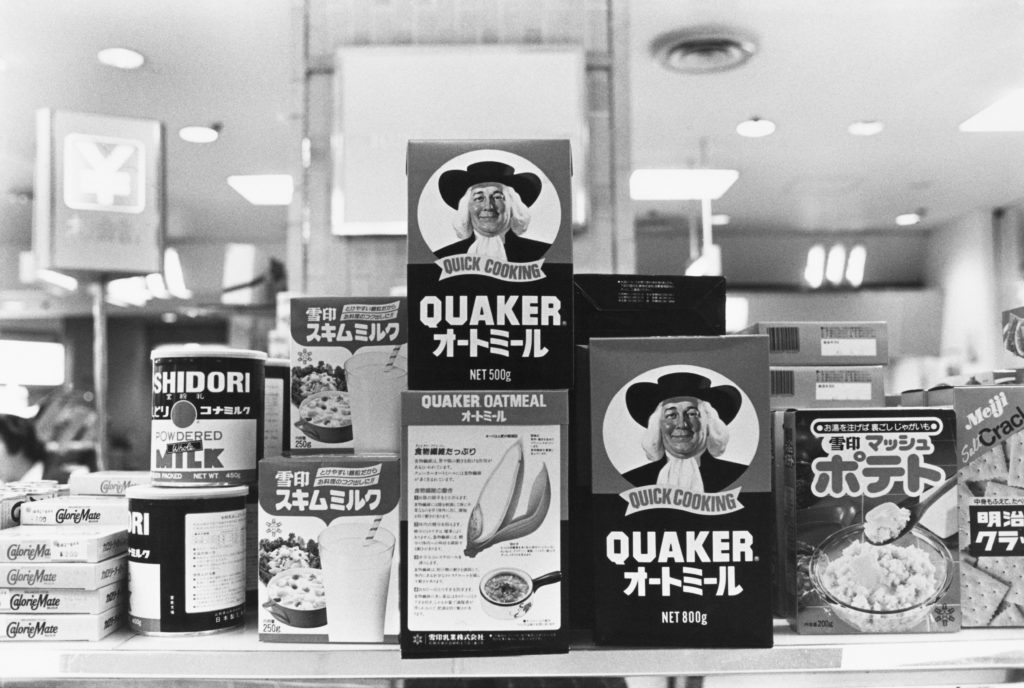
The functional foods category originated in Japan in the 1980s, when the Japanese government began promoting foods enriched with specific ingredients that offered health benefits. This initiative was based on the idea that diet can play a fundamental role in disease prevention and health promotion.
Examples of Functional Foods
- Probiotic YogurtIt contains beneficial bacteria that improve intestinal health and digestion.
- OatmealRich in soluble fiber, which helps to lower cholesterol and regulate blood sugar.
- Extra Virgin Olive Oil: Rich in monounsaturated fatty acids and antioxidants that protect the heart.
- BlueberriesLoaded with antioxidants that can help prevent cellular aging and improve brain health.
- SalmonAn excellent source of omega-3 fatty acids that benefit cardiovascular and brain health.
- Green teaIt contains catechins that may help with weight loss and improve cognitive function.
- BroccoliRich in vitamins, minerals, and antioxidant compounds that fight disease.
- AlmondsFull of healthy fats, fiber, and protein that promote satiety and reduce the risk of heart disease.
- TurmericIt contains curcumin, a powerful antioxidant with anti-inflammatory properties.
- GarlicKnown for its ability to reduce blood pressure and improve cardiovascular health.

Comparison between canned tuna and natural tuna
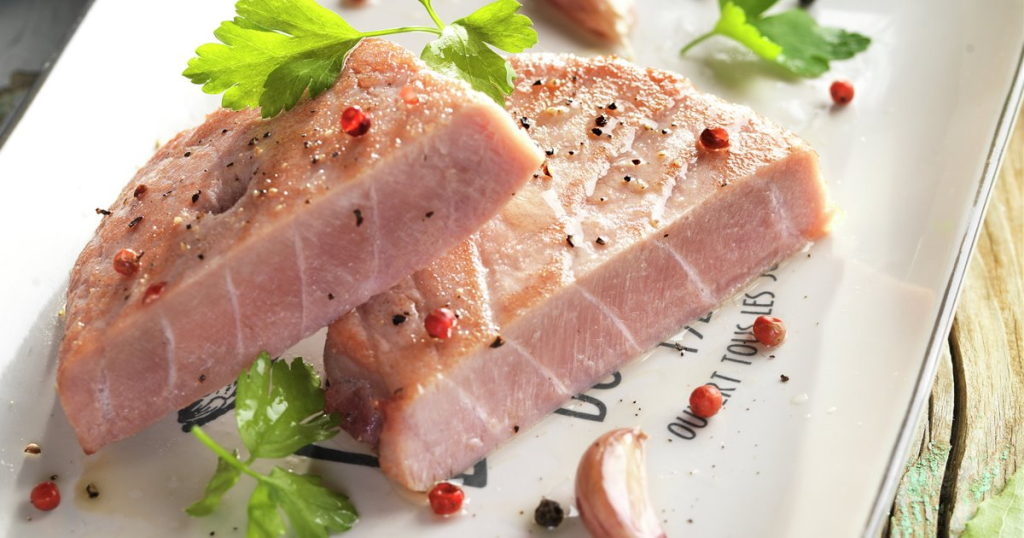
Let's take the example of canned tuna and fresh tuna. Canned tuna is a convenient source of protein and omega-3 fatty acids, but it often contains added sodium and may have a lower nutrient content compared to fresh tuna. Fresh tuna, on the other hand, is a source of high-quality lean protein and omega-3 fatty acids without additives, making it a healthier choice.
Conclusions
Functional foods are a valuable tool in the pursuit of a healthier life. By understanding what they are, what they do, and how they can benefit your health, you can make more informed dietary choices. Remember that natural foods tend to be a healthier option compared to their processed counterparts. Incorporating functional foods into your diet can be an important step toward a healthier and more balanced life.
 14Jul
14Jul
Deca: Uses, benefits, and considerations for bodybuilding and health
 by bounesclow
141
Comments Off on Deca: Uso, beneficios y consideraciones para el fisicoculturismo y la salud
by bounesclow
141
Comments Off on Deca: Uso, beneficios y consideraciones para el fisicoculturismo y la salud
Oxi: Boosting Performance in Bodybuilding (ANADROL)
 22Sep
22Sep
How Long Should You Rest Before Training a Muscle Again?
by bounesclow
133
Comments Off on ¿Cuánto Tiempo Debes Descansar Antes de Volver a Entrenar un Músculo?
 17Oct
17Oct
Are sugar-free soft drinks healthy? 🫗🥤
 10Nov
10Nov