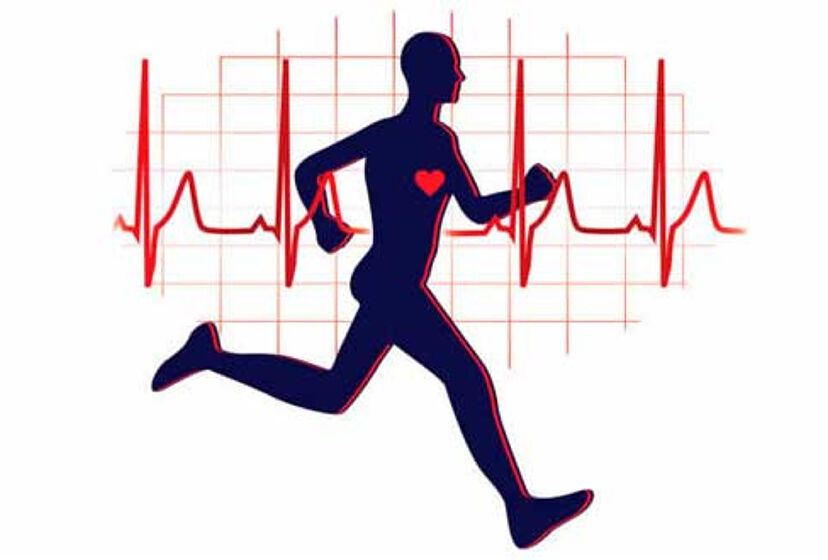
Blood pressure, which represents the force of the blood against the walls of the arteries, is measured by two values: systolic pressure and diastolic pressure, exemplified as 120/80.
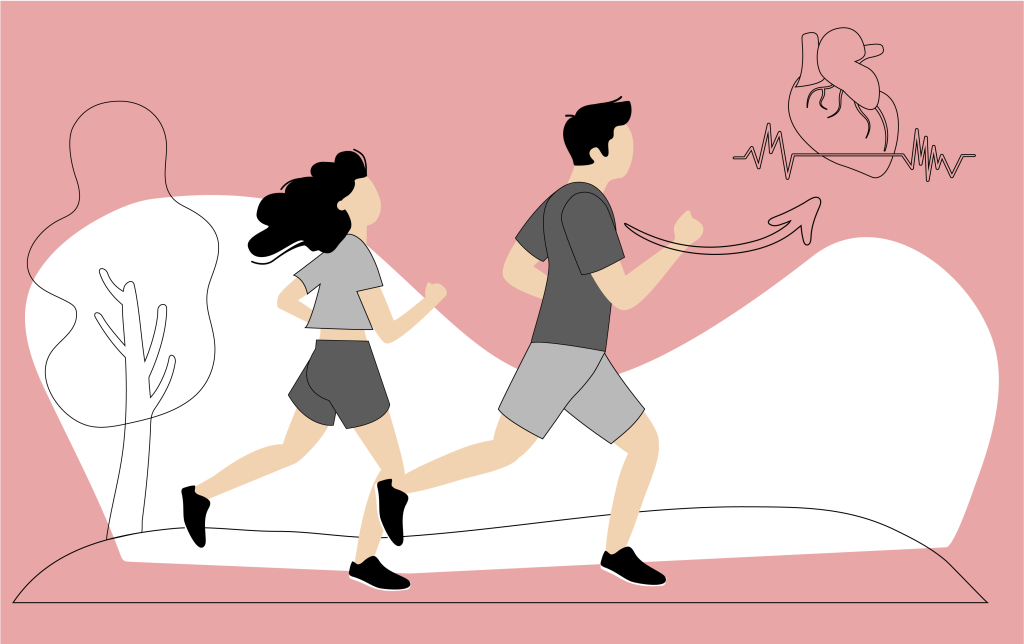
With physical exercise, muscles increase their demand for oxygen and nutrients, triggering cardiovascular adaptations. It is useful to consider two main types: dynamic or aerobic exercise and static or strength exercise.
Tension Adaptations to Dynamic/Aerobic Exercise: The increases in blood pressure are due to the greater demand on the heart and blood flow to the extremities. Although the heart's contractile activity increases during dynamic exercise, blood pressure usually rises only slightly due to the decrease in other overall resistances.
Tension Adaptations to Static/Strength Exercise: During strength training, muscle contractions, especially during concentric and isometric phases, compress peripheral arteries, leading to an increase in diastolic blood pressure. Additionally, catecholamines, increased cardiac output, and intra-abdominal pressure contribute to an increase in systolic blood pressure. Although strength training also has a long-term blood pressure-lowering effect, this effect is less pronounced than that of aerobic exercise.
Precautions: In cases of intense exercise followed by abrupt cessation, post-exercise hypotension can occur, with symptoms such as malaise, dizziness, or fainting. For individuals with unstable blood pressure or heart conditions, it is crucial to perform exercise in three phases: warm-up, main exercise, and cool-down.
Specific Recommendations:
In hypertensive subjects, it is beneficial to schedule exercises that involve large muscle groups in the legs.
Cardiovascular fatigue, caused by excessive intensity or duration of exertion, can affect blood pressure values.
Blood pressure values during exercise vary with the level of training, being more tolerable in trained aerobic athletes.
In conclusion, understanding the body's response to exercise is fundamental for designing safe and effective programs. Attention to individual factors and the application of precautions are key to maximizing the benefits of exercise while minimizing risks.
Diastolic pressure is the blood pressure measured when the heart is at rest, that is, when the heart relaxes between beats. Diastolic pressure is measured in millimeters of mercury (mmHg) and is represented as the lower number in a blood pressure reading. Diastolic pressure should normally be below 80 mmHg to be considered healthy. Here in this phase, blood is injected into the heart. _———————- Systolic pressure is the blood pressure measured when the heart contracts and pumps blood to the body. Systolic pressure is measured in millimeters of mercury (mmHg) and is represented as the top number in a blood pressure reading. Systolic pressure should normally be below 120 mmHg to be considered healthy. Here in this phase blood is expelled
¿Te has preguntado que alimentos afectan a tu intestino? Aqui te explicamos la importancia de nuestra alimentación y que funciones lleva a cabo el intestino...
by bounesclow27Comments Off on Los alimentos y tu intestino.
El fisicoculturismo es una disciplina exigente que requiere una combinación de entrenamiento intensivo, nutrición adecuada y, en muchos casos, el uso de suplementos para obtener...
by bounesclow21Comments Off on Clenb en el Fisicoculturismo: Beneficios y Dosificación Recomendada
En el mundo de la nutrición, no todos los alimentos son iguales. Existe una categoría especial conocida como «alimentos funcionales» que va más allá de...
by bounesclow23Comments Off on Alimentos Funcionales: Nutrición que Marca la Diferencia
Introducción El fisicoculturismo es una disciplina que ha experimentado un crecimiento constante en popularidad a lo largo de los años. Los atletas de esta disciplina...
by bounesclow24Comments Off on La Bolde y su Uso en el Fisicoculturismo: Un Enfoque Integral
Introducción: Los deportistas están constantemente en búsqueda de formas para optimizar su rendimiento y obtener el máximo provecho de sus entrenamientos. Mientras que algunos recurren...
by bounesclow20Comments Off on Potencia tu Rendimiento: Los Mejores Pre-Entrenamientos Naturales para Deportistas




 10Mar
10Mar
 by
by