


 10Sea
10Sea
Blog
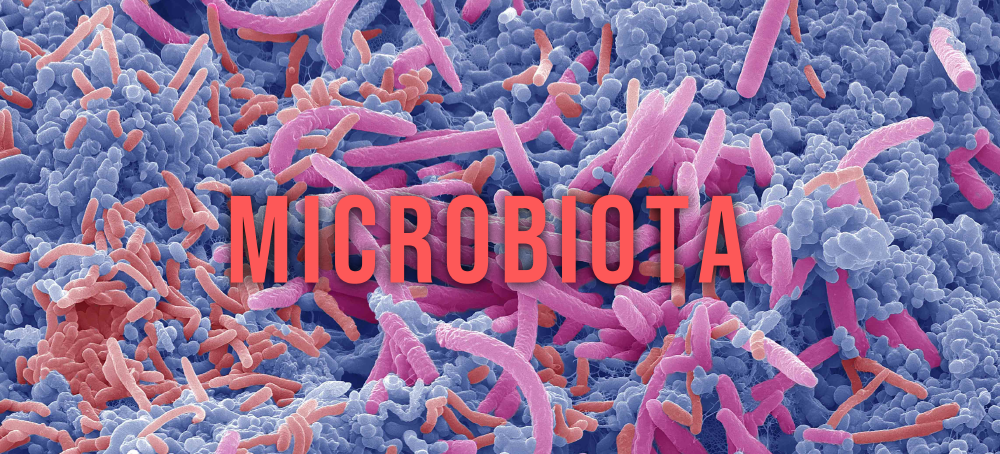
Food and your gut.
Have you ever wondered which foods affect your gut? Here we explain the importance of our diet and the functions our gut performs...
Magnesium is an essential mineral for the proper functioning of our bodies. It plays a crucial role in a wide variety of biological processes, from muscle function to heart and nervous system health. Despite its importance, many people are unaware if they are deficient in magnesium. How can you tell if your body needs more magnesium? Here are some signs and symptoms that might indicate you should pay closer attention to your magnesium intake.

Muscle cramps and spasms can be a sign of magnesium deficiency. This mineral helps muscles contract and relax properly. If you experience muscle cramps regularly, it could be a sign that you need more magnesium in your diet.

Chronic fatigue and unexplained weakness can be linked to a magnesium deficiency. Magnesium plays a vital role in the body's energy production, so a lack of it can lead to persistent tiredness.

Magnesium is essential for heart health. A magnesium deficiency can increase the risk of heart arrhythmias, high blood pressure, and other cardiovascular problems. If you have a history of heart problems or notice irregularities in your heart rhythm, consult a healthcare professional.

Magnesium is also linked to sleep quality. A lack of magnesium can contribute to problems such as insomnia and sleep disorders. If you have difficulty falling asleep or wake up frequently during the night, a magnesium deficiency could be a factor to consider.

Magnesium plays a role in regulating the nervous system, and a deficiency can increase stress and anxiety levels. If you feel constantly nervous or tense, it might be helpful to assess your magnesium intake.
Magnesium deficiency can also manifest as digestive problems such as constipation and intestinal spasms. If you experience gastrointestinal upset without an apparent cause, consult a healthcare professional.
Some women experience severe menstrual cramps due to a magnesium deficiency. Consider increasing your magnesium intake during your menstrual cycle if you suffer from painful cramps.
Several factors can lower the magnesium levels in our bodies. Common deficiencies include a diet high in processed foods, a fast-paced or stressful lifestyle, alcohol consumption, and even excessive exercise.
The key is to consume foods rich in this mineral, such as leafy green vegetables (for example, spinach and chard), nuts (such as almonds and peanuts), whole grains (such as quinoa and corn), and legumes (lentils and chickpeas). For an extra boost, you can take magnesium in supplement form, which combines chelated magnesium bisglycinate and magnesium oxide in a 4:1 ratio. Magnesium bisglycinate is known for its high absorption and gentleness on the stomach, while magnesium oxide provides natural laxative benefits. Before taking any supplement, it is advisable to consult a doctor.
Remember that maintaining adequate magnesium levels is essential for your overall well-being and health. Don't underestimate the importance of this mineral in your daily life!
10Sea
 25Jul
25Jul
 by bounesclow
140
Comments Off on Clenb en el Fisicoculturismo: Beneficios y Dosificación Recomendada
by bounesclow
140
Comments Off on Clenb en el Fisicoculturismo: Beneficios y Dosificación Recomendada
 27Sep
27Sep
 23Oct
23Oct
 14Dec
14Dec